Where to Stay in the Kurdistan Region
From international hotels in Erbil to mountain chalets above the gorges — how to choose the right base for your trip across the Kurdistan Region of Iraq.
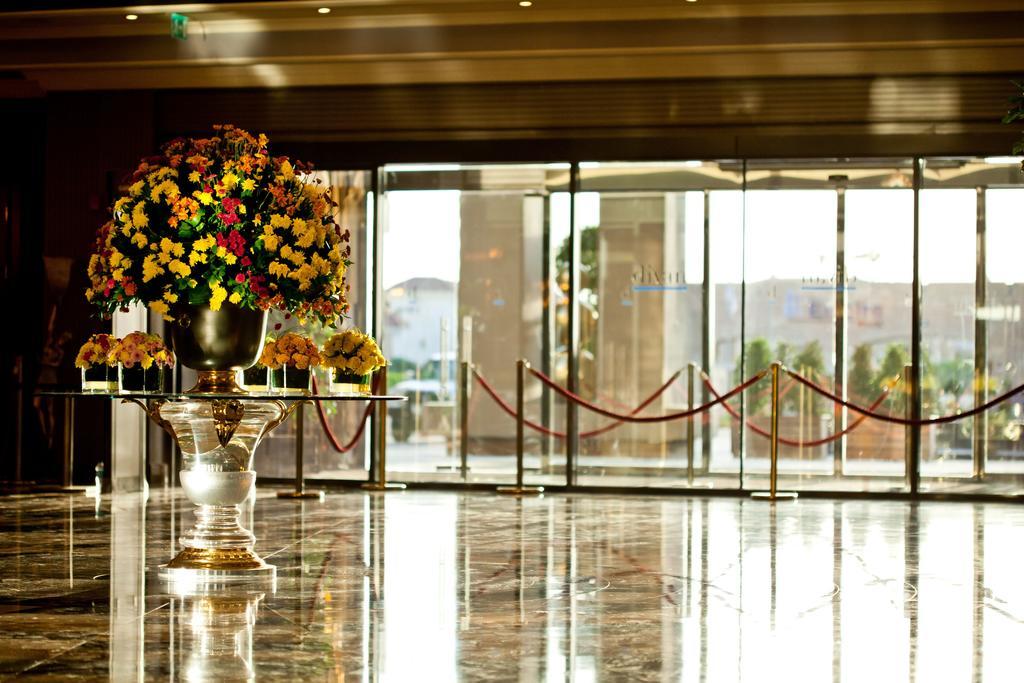
Deciding where to stay is one of the most useful early decisions when planning a trip to the Kurdistan Region of Iraq. The region is compact compared with the distances people often imagine, but its three main cities — Erbil, Sulaymaniyah and Duhok — each have a different character, a different set of nearby attractions, and a different accommodation scene. Pick the right base, or the right combination of bases, and you will spend less time backtracking on long roads and more time enjoying citadels, bazaars, mountains and mountain valleys.
This guide is the high-level overview. It explains how accommodation works across the region, helps you weigh up a city base against a mountain stay, and gives a short profile of each city so you can decide where to point your itinerary. For street-by-street, neighbourhood-level detail on where to book in each city, we link down to dedicated deep dives for Erbil, Sulaymaniyah and Duhok.
A note before we start: VisitKurdistan.com is an independent travel guide, not a booking agent or a government tourism authority. Hotels open, close, rebrand and change their facilities frequently, and prices move with the season and the exchange rate. Treat everything here as orientation rather than a fixed promise, and always verify current details — availability, rates, payment methods and opening dates — directly with a property or a reputable booking platform before you commit.
How accommodation works in the Kurdistan Region
Accommodation in the Kurdistan Region is heavily concentrated in the cities. Erbil has the deepest and most varied market, including the only real cluster of international, business-class hotels. Sulaymaniyah follows with a lively, mid-weighted scene that suits independent travellers, and Duhok has a smaller but perfectly serviceable set of hotels and guesthouses. Outside the cities, the picture changes: in the mountains and by the lakes you will find resorts, chalets and family-run guesthouses rather than big-brand hotels, and standards vary more widely.
Most properties quote rates in either US dollars or Iraqi dinar, and many will happily accept either. Larger hotels often take card payments, but cash remains important almost everywhere, particularly in guesthouses and smaller towns, so plan to carry enough. Because exchange rates and the spread of card machines shift over time, confirm accepted payment methods when you book rather than assuming you can tap a card on arrival.
Service culture leans towards genuine hospitality. Staff in city hotels frequently speak some English, and many will help you arrange airport transfers, drivers for day trips, or restaurant recommendations — this informal concierge help is one of the quiet advantages of booking a well-run hotel here. Wi-Fi is widespread in the cities and generally most reliable in Erbil and Sulaymaniyah; in remote mountain stays it can be patchy, so do not count on a strong connection when you head into the hills.
One practical habit worth adopting: reconfirm. Booking platforms are used here, but the link between an online reservation and a property's own records is not always seamless. A short message or call to the hotel a day or two before you arrive — to reconfirm your room, your rate and your arrival time, especially for late-night flights — saves a lot of potential friction.
Choosing your base: city vs mountains
The first real choice is whether to anchor yourself in a city or to spend nights out in the landscape. There is no single right answer; it depends on the trip you want. A city base gives you the widest choice of restaurants, the easiest transport, reliable facilities and a central point to launch day trips from. A mountain base trades some of that convenience for atmosphere — waking up to a gorge, a forested slope or a lake, and experiencing villages after the day-trippers have gone home.
For a first visit of a week or less, most travellers do best with one or two city bases and a series of day trips out into the mountains. The driving distances are manageable, and you keep the comfort and choice of a city in the evening. If you have longer, or you are returning for a second trip, weaving in a night or two in Shaqlawa, near Rawanduz, at Amadiyah or beside Dukan Lake adds a different texture to the journey.
Think too about how you will get around. If you are relying on taxis and hired drivers, a central city base keeps costs and logistics simple. If you are renting a car and want to explore the mountains at your own pace, a mountain stay becomes far more practical — and you can read more about driving in our car rental guide. Either way, try not to over-pack your itinerary with single-night stops; one or two well-chosen bases almost always beats hopping hotel every night.
A city base suits you if…
You want the widest hotel and restaurant choice, reliable Wi-Fi and facilities, easy taxis, and a single comfortable hub to run day trips from. Ideal for first visits and shorter trips.
A mountain base suits you if…
You are after scenery, quiet evenings and a slower pace, you have a few extra days, and ideally you have your own vehicle. Best added to — rather than replacing — a city stay.
Erbil — the easiest all-round base
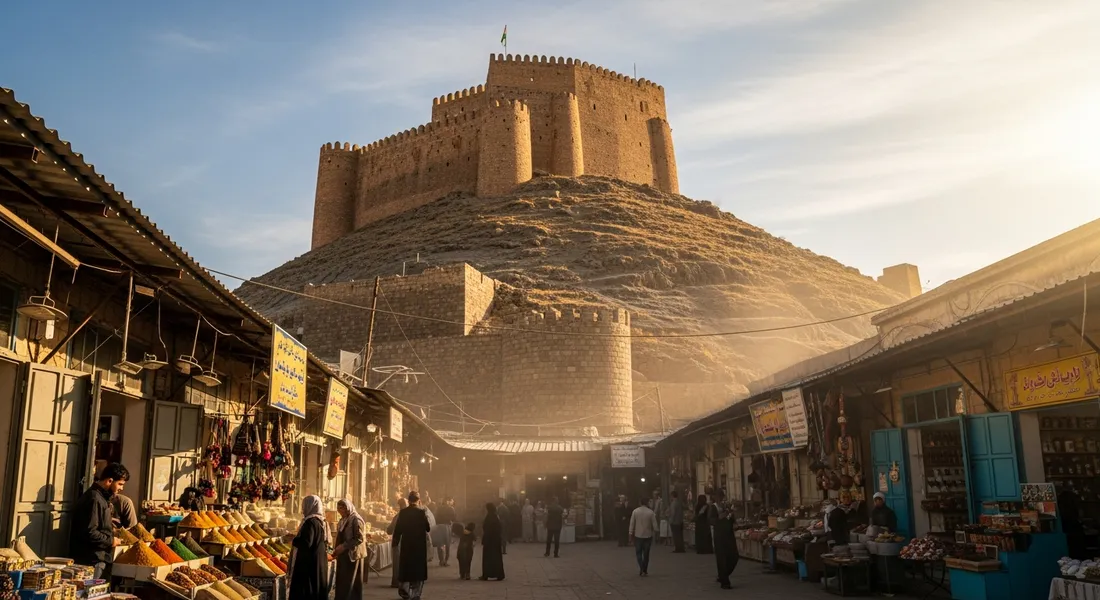
Erbil is the natural starting point for most visitors. It has the busiest international airport in the region, the deepest range of accommodation — from international, business-class hotels to comfortable mid-range options and simple guesthouses — and good roads radiating out to the rest of the Kurdistan Region. At its heart sits the ancient Citadel, one of the longest continuously inhabited places on earth, ringed by the lively bazaar and tea houses.
In broad terms, staying near the city centre and Citadel puts you within walking distance of the bazaar and the old core, while the Ankawa district to the north is a quieter, leafier neighbourhood known for its restaurants and more relaxed evenings. Newer residential and commercial zones along the ring roads offer modern hotels and serviced apartments that suit longer stays and families. Each area suits a different kind of traveller — and that is exactly what our full Erbil accommodation guide breaks down, area by area.
If you only have time for one base, Erbil is the safe, sensible choice: central to the region, easy to fly into, and well stocked with places to eat, drink and rest between days out. For more on the city itself, see our Erbil destination guide.
Sulaymaniyah — culture, cafés and the eastern mountains
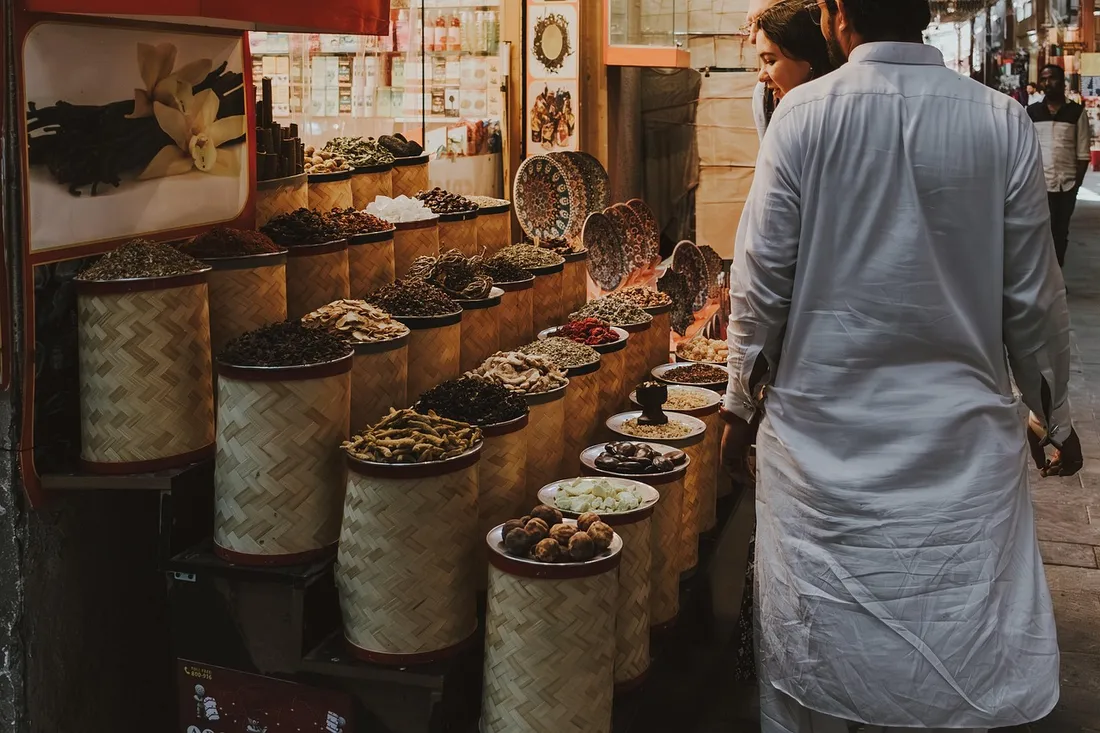
Sulaymaniyah — often written "Slemani" — is the cultural heart of the region and a firm favourite with independent travellers. It has a lively, mid-weighted accommodation scene, a famous café and intellectual culture, an excellent bazaar, and sobering, important museums such as Amna Suraka. The city sits among mountains to the east and makes a great base for the eastern half of the region, including trips towards Halabja and the surrounding ranges.
Most travellers base themselves around the city centre and the main thoroughfares, close to the cafés, the bazaar and the museums, where you can walk to much of what you came to see. There are quieter, greener districts a short drive out for those who prefer calm over bustle. Our Sulaymaniyah accommodation guide covers the best areas in detail and who each one suits.
Choose Sulaymaniyah if you are drawn to culture, conversation and a more local rhythm, and pair it with Erbil for a well-rounded trip. To get a feel for the city before you book, read our Sulaymaniyah destination guide.
Duhok — the gateway to the north
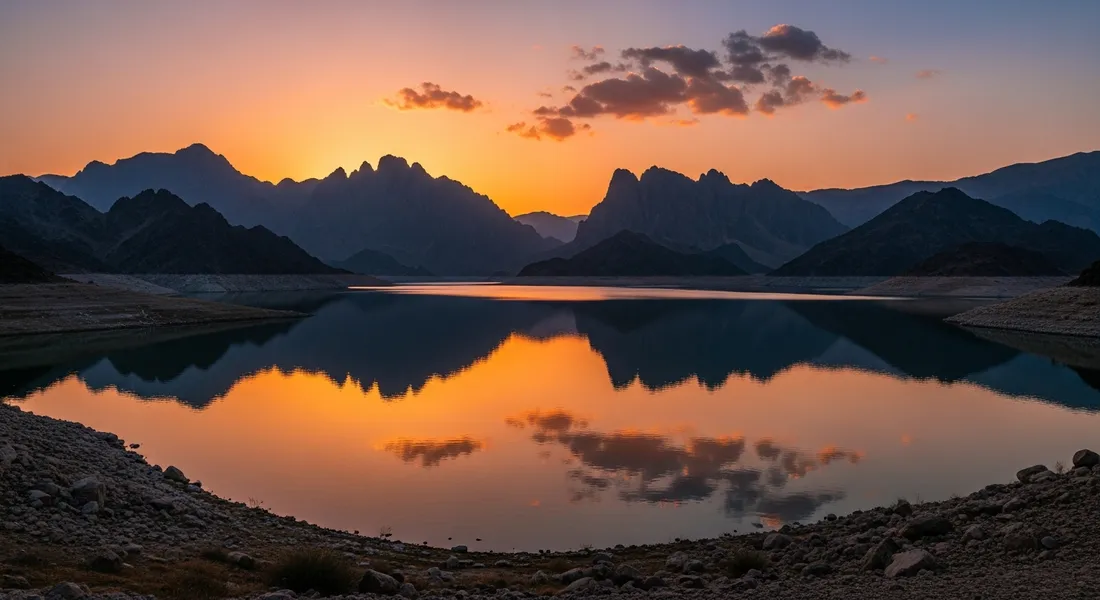
Duhok is the northern gateway and a pleasant, walkable city cradled by hills. Its accommodation scene is smaller than that of Erbil or Sulaymaniyah — that is simply the reality, not a criticism — and it leans towards comfortable mid-range hotels and guesthouses rather than international five-stars. What Duhok offers is position: it is the obvious base for some of the most rewarding sites in the north, including the sacred valley of Lalish, the clifftop town of Amadiyah (Amedi), the border town of Zakho with its famous old bridge, and the Duhok Dam.
Stay near the city centre to be close to the bazaar and restaurants, or out towards the dam for a quieter setting with views. Because the choice is more limited than in the other cities, it is worth booking a little earlier for popular dates. Our Duhok accommodation guide explains the best areas and how to use the city as a launchpad for day trips.
Pick Duhok if the north is high on your list, or build it into a one-way route that starts in Erbil and works its way up. For more on the city and its surroundings, see the Duhok destination guide, Lalish and Amadiyah.
Mountain, lake & resort stays
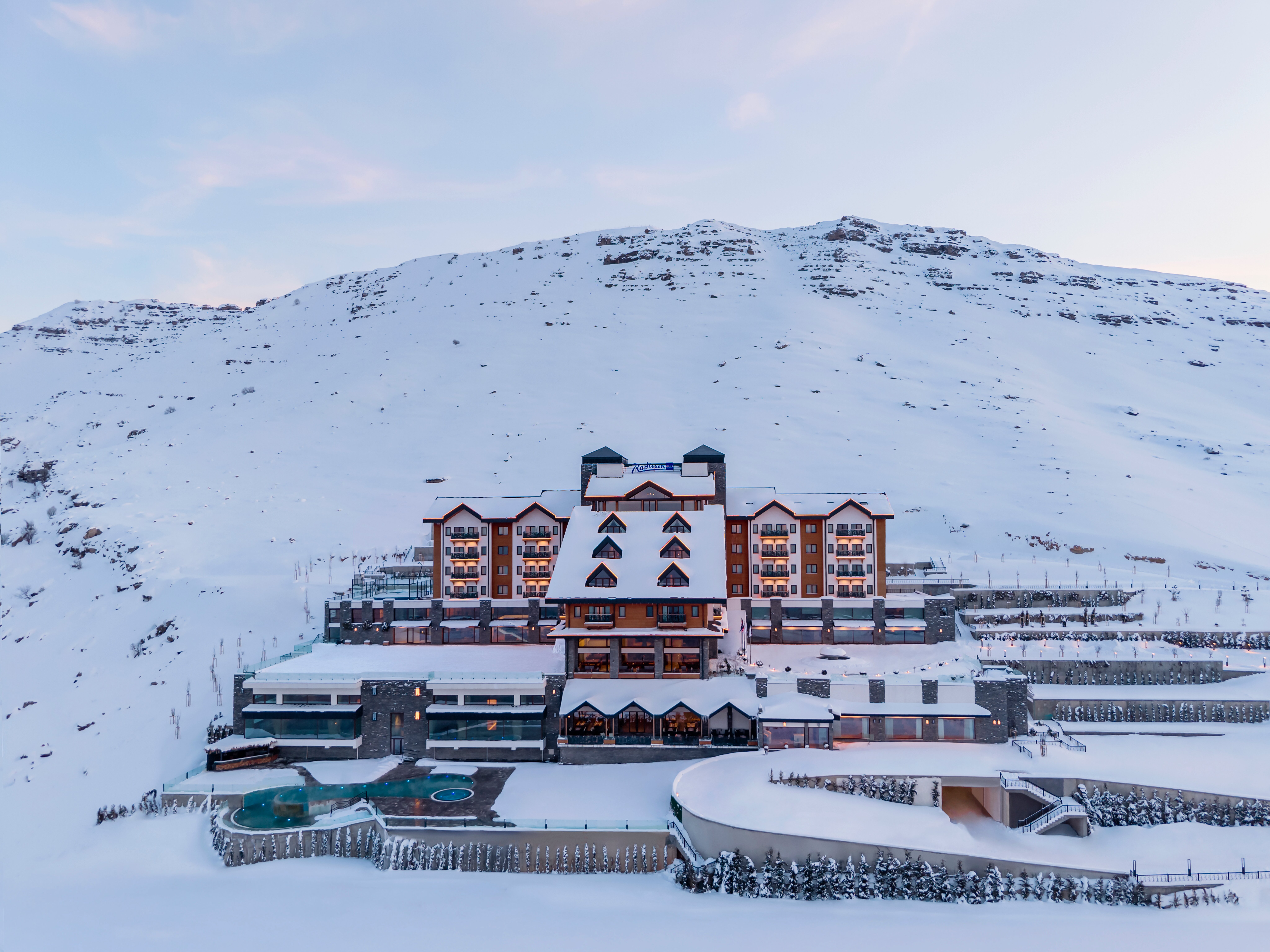
Some of the most memorable nights in the Kurdistan Region are not in a city at all but up in the mountains, beside a lake, or in a village looking out over a gorge. The standard ranges from simple guesthouses to comfortable resorts and chalets, and availability is far more seasonal than in the cities. These are the places to consider once you have your city nights sorted.
Shaqlawa
A popular mountain resort town between Erbil and the high peaks, with the widest choice of hotels, chalets and resorts at varied price points. It is busiest in summer, so book well ahead for July and August. See Shaqlawa.
Rawanduz & Gali Ali Beg
A handful of guesthouses and resorts along the spectacular gorge road near the Gali Ali Beg waterfall and the Korek mountain area. Settings are dramatic and rooms limited, so reserve early in peak season. See Rawanduz.
Amadiyah (Amedi)
A few small hotels and guesthouses sit near this clifftop town in the north. Staying overnight lets you experience the village in the calm after the day visitors leave. See Amadiyah.
Dukan Lake
Lakeside chalets and resorts near Sulaymaniyah, especially popular with local families in the warmer months. Spring and autumn are particularly pleasant. See Dukan Lake.
Mountain and lakeside standards vary widely and seasonal opening changes year to year — confirm that a property is open and reachable for your dates before you travel, and check road and weather conditions in winter.
Types of accommodation
Knowing the broad categories on offer helps you match accommodation to your budget and your style of travel. Budget, mid-range and upmarket options all exist across the region, though the spread is widest in Erbil and thins out as you move into smaller towns and the mountains.
Hotels
From international, business-class properties (mostly in Erbil) to reliable, locally run mid-range hotels in every city. These offer the most consistent facilities, English-speaking reception and help with transfers and trips.
Guesthouses
Simple, often family-run and good value, clustered in city centres and smaller towns. Standards vary, so read recent traveller feedback and confirm what is included before booking.
Serviced apartments
Ideal for longer stays, families or anyone who wants a kitchen and more space. Most common in Erbil and Sulaymaniyah, often in newer residential developments.
Resorts & chalets
Found in the mountains and by the lakes — Shaqlawa, the Korek area, Dukan and beyond. Great for scenery and a slower pace, with strong seasonal demand in summer.
Booking tips & best areas
A few simple habits make booking accommodation in the Kurdistan Region far smoother. First, prioritise location over a slightly cheaper rate further out — a central base in each city saves you time and taxi fares, and means you can walk to dinner. Second, read recent traveller reviews rather than relying on photos alone, since standards in independent hotels and guesthouses can vary. Third, message the property directly with any specific needs (early check-in, an airport pickup, a quiet room) — staff here are generally responsive and helpful.
- →Aim for a central neighbourhood in each city — the Citadel/bazaar area and Ankawa in Erbil, the city-centre cafés-and-bazaar zone in Sulaymaniyah, and the centre or near the dam in Duhok.
- →Reconfirm your reservation directly with the hotel a day or two before arrival, and give your arrival time if you land late at night.
- →Carry enough cash for guesthouses and smaller towns; confirm card acceptance for larger hotels in advance.
- →For families or stays of several nights, serviced apartments in Erbil or Sulaymaniyah often offer better value and space than hotel rooms.
- →If you want a specific mountain resort or chalet in summer, book early — these fill before the city hotels do.
For broader practical advice on money, transport, etiquette and connectivity, see our Kurdistan travel tips, and if you are arriving by air, our airport transfers guide explains how to get from the terminal to your hotel.
When to book & seasons
Timing affects both price and availability. Spring (roughly March to May) is one of the loveliest times to visit, with green hills, wildflowers and comfortable temperatures — and it includes Newroz, the spring new-year celebration in late March, when domestic travel surges and mountain towns such as Akre and Shaqlawa fill up. If your trip falls around Newroz, book your accommodation well in advance.
Summer (June to August) is hot in the cities, which pushes locals and visitors alike up into the cooler mountains; resort towns and lakeside chalets are at their busiest and priciest, so reserve early for places like Shaqlawa and Dukan. Autumn (September to November) brings pleasant weather and easier availability — a great time for a balanced trip. Winter (December to February) is quieter and cheaper in the cities, while the mountains can see snow; this is the season for Korek's slopes, but it also means some mountain roads and properties may be harder to reach, so check conditions first.
As a rule of thumb: book city hotels a few weeks ahead in normal periods and earlier for summer and Newroz; book mountain and lake stays as early as you can for the summer peak. Prices, opening dates and seasonal access all change from year to year, so treat these as patterns to plan around rather than guarantees, and confirm current details before you travel.
Searching & booking online
When you are ready to compare specific properties and check live availability, the easiest place to start is a city-by-city search on a major booking platform. The links below open hotel searches for Erbil, Sulaymaniyah and Duhok so you can filter by date, budget and area, then cross-check recent reviews before you book. As always, confirm the final rate, the cancellation policy and accepted payment methods directly with the property.
Affiliate links — we may earn a small commission at no extra cost to you, which helps keep this site running.
Frequently asked questions
Which city is the best base for visiting the Kurdistan Region of Iraq?+
Do I need to book accommodation in advance?+
What types of accommodation are available?+
Is Airbnb widely used in the Kurdistan Region?+
How should I pay for hotels?+
Is it safe and comfortable for solo and women travellers?+
Keep exploring
Ready to go deeper? Read the city-specific accommodation guides for Erbil, Sulaymaniyah and Duhok. Then round out your planning with our travel tips, build a day-by-day route with the AI trip planner, and see where to point your days in the best places to visit in Kurdistan.
Get featured on VisitKurdistan.com
We are building a free business directory to connect travellers with the people who make trips to the Kurdistan Region of Iraq run smoothly. If you run a hotel, resort, tour company, restaurant, travel agency, car rental firm or adventure experience, you will soon be able to list your business here and reach visitors planning their trip.
Directory categories
Register your interest
The directory is not public yet. We verify submissions, record corrections and claims, label any sponsored or affiliate-supported relationship, and expire records that cannot be kept current. We never sell placement or present a listing as a review or recommendation.
VisitKurdistan.com is an independent travel guide. Listings will be clearly marked and are not endorsements; we are not affiliated with any government tourism board or official authority.
VisitKurdistan.com is an independent travel guide and is not affiliated with any government tourism board or official tourism authority. Prices, availability, opening hours, entry rules and seasonal access change frequently — always verify current details with an official or local source before you travel.