Halabja · Helebce
Halabja Guide
A town near the Iranian border with a poignant modern history, a place of remembrance and resilience set against a backdrop of mountains.
A short history of Halabja
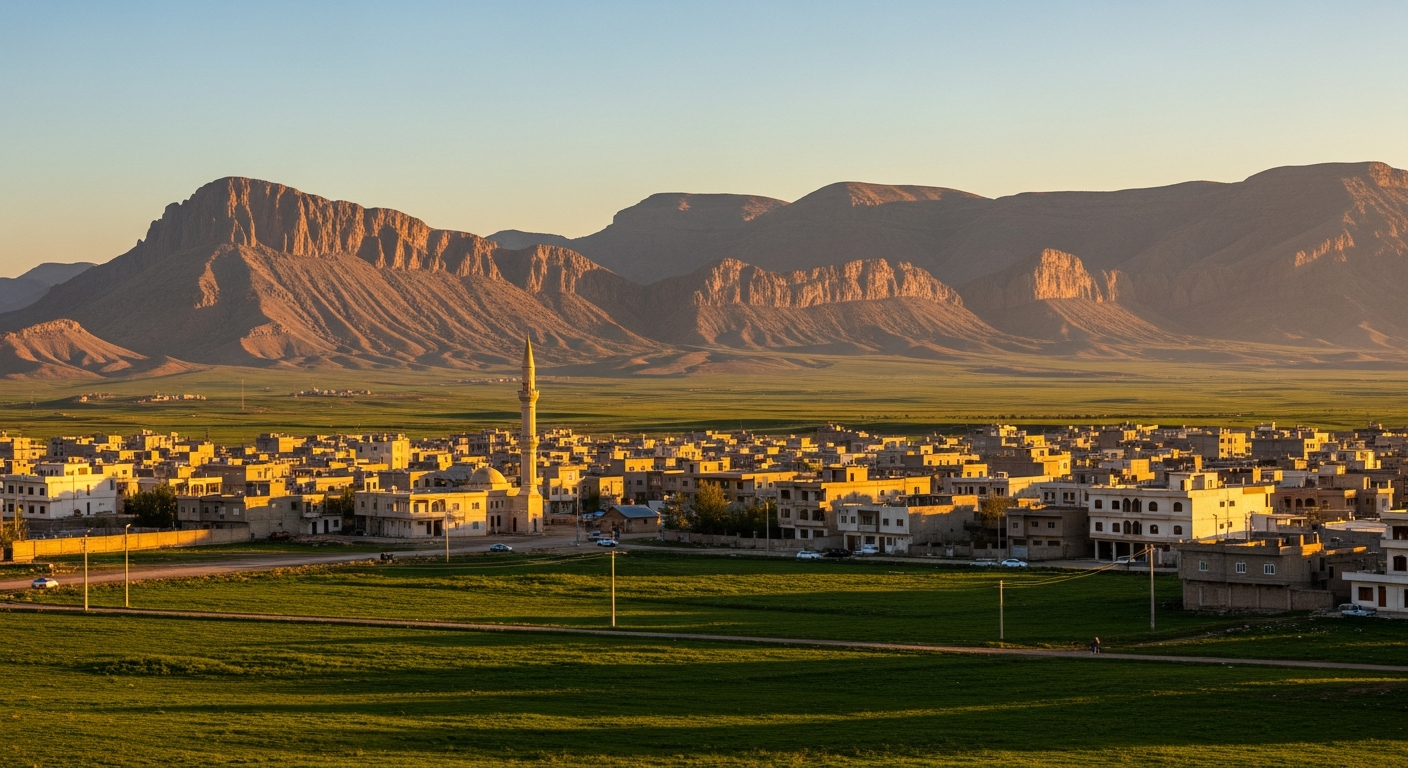
Halabja lies in the east of the Kurdistan Region of Iraq, close to the Iranian border and surrounded by mountains and fertile farmland. It has long been a market town and a centre of learning and culture, known historically for its poets, scholars and gardens.
The town is best known internationally for the tragedy of March 1988, when a chemical attack during the closing period of the Iran–Iraq war killed thousands of its inhabitants, most of them civilians. The event is remembered as one of the darkest chapters in the region's modern history.
In the decades since, Halabja has rebuilt and become a symbol of remembrance and resilience. A memorial commemorates the victims, and the town — granted its own provincial status in recent years — continues to honour their memory while looking to the future.
Where is Halabja?
Why visit Halabja?
Halabja is for travellers who want to understand the modern history of the region as well as its landscapes. A visit to the memorial is a sombre but important experience, offering a place to reflect on the events of 1988 and to pay respect to those who died.
Beyond its history, the town sits in an attractive setting of mountains and farmland near the Iranian frontier, with the wider area offering scenery and a sense of a community that has endured great hardship and rebuilt with dignity.
Things to do in Halabja
Halabja Memorial
The memorial commemorates the victims of the 1988 chemical attack and serves as a place of remembrance and education. A visit is sombre and deeply moving; approach it with the respect and quiet it deserves.
- •This is a memorial to a tragedy — keep your visit quiet and respectful.
- •Allow time to read the exhibits, which give essential context.
- •Confirm current opening hours locally before you travel.
- •Be sensitive when taking photographs, especially of other visitors.
Reflect at places of remembrance
Around the town are sites and monuments connected to its modern history. Visiting them thoughtfully helps to understand the experience and resilience of the community.
- •Approach each site quietly and with respect.
- •A local guide can add meaningful context to what you see.
- •Take your lead from residents on what is appropriate.
- •Pair these with the main memorial for a fuller picture.
Explore the town
Beyond its history, Halabja has the everyday rhythm of a Kurdish market town, with bazaars, tea houses and local life away from the bigger cities.
- •A genuine, untouristed slice of everyday Kurdish town life.
- •Carry small cash for the bazaar and tea houses.
- •A tea house is the easiest place to pause and watch life go by.
- •Dress modestly, as you would anywhere in the region.
Surrounding countryside
The mountains and farmland around Halabja, near the Iranian border, are scenic and reflect the agricultural heritage the area has long been known for, including its celebrated pomegranates.
- •Autumn is pomegranate season, the produce the area is famous for.
- •A car or hired driver makes the rural areas far easier to reach.
- •As a border region, carry your ID and heed any local guidance.
- •Spring brings the greenest farmland and the most pleasant weather.
Combine with Sulaymaniyah
Many visitors pair Halabja with a stay in Sulaymaniyah, whose museum and sights add further context to the region's modern history.
- •Halabja is an easy day trip from Sulaymaniyah by road.
- •Sulaymaniyah has by far the widest choice of hotels and restaurants.
- •The Red Museum there pairs powerfully with the Halabja Memorial.
- •See our dedicated Sulaymaniyah guide to plan the wider trip.
Book tours & activities in Halabja
Browse guided tours, day trips and experiences in and around Halabja on GetYourGuide, with free cancellation on most bookings.
Tour links are affiliate links to GetYourGuide. If you book through them we may earn a small commission, at no extra cost to you — it helps keep this independent guide free.
Where to stay
Base in Sulaymaniyah
Halabja is most often visited as a day trip from Sulaymaniyah, which has by far the widest choice of hotels and is within easy reach by road.
In Halabja
The town has some simple hotels and guesthouses for those who wish to stay locally, though options are limited compared with the city.
A place for reflection
Given its character and history, many travellers find a focused day visit, returning to Sulaymaniyah in the evening, the most fitting way to experience Halabja.
Pros & cons
Pros
- An important and moving insight into the region's modern history
- A meaningful memorial and place of remembrance
- Attractive mountain-and-farmland setting near the border
- Easily combined with Sulaymaniyah for fuller context
Cons
- A sombre destination centred on a painful history
- Limited tourist facilities and accommodation in the town
- Best reached by car or driver from Sulaymaniyah
- Fewer conventional attractions than the larger cities
Tips for visiting
- Getting there: visit by car or driver from Sulaymaniyah, within about 1.5 hours.
- Approach the memorial and places of remembrance with respect and quiet.
- Ask before photographing people or sensitive sites, and follow any guidance given.
- Combine your visit with Sulaymaniyah's museum for fuller historical context.
- Carry cash in Iraqi dinar, as card acceptance is limited.
Frequently asked questions
What is Halabja known for?+
Can you visit the Halabja Memorial?+
How do I get to Halabja?+
Is Halabja worth visiting?+
Is Halabja safe to visit?+
Plan the rest of your trip
Keep exploring the Kurdistan Region: see the best places to visit, browse things to do, read our Kurdistan travel tips and visa & entry guide, or find where to stay. Travelling on set dates? Check the Kurdistan events calendar.
VisitKurdistan.com is an independent travel guide and is not affiliated with any government tourism authority. Details can change over time — verify with local providers before travel.