Duhok · Dihok
Duhok Guide
Set in a valley between two mountain ranges, Duhok is a scenic city offering access to historical sites, beautiful lakes and the spectacular mountains of the north.
A short history of Duhok
Duhok sits in a narrow valley between the Spî and Zawa mountain ranges in the far north of the Kurdistan Region of Iraq. The area has been settled since antiquity — nearby rock reliefs and archaeological remains point to occupation reaching back thousands of years, and the surrounding region featured in Assyrian and later Mesopotamian history.
For much of its existence Duhok was a modest market town serving the mountain villages and the trade routes toward the borders of present-day Turkey and Syria. Its strategic position in the northern uplands shaped a history of shifting frontiers and a population drawn from across the region's communities.
In recent decades Duhok has grown rapidly into a provincial capital and university city, while remaining the smallest of the Kurdistan Region's three main cities. Its valley setting, proximity to dramatic mountain landscapes and historic towns like Amadiyah and Zakho make it a gateway to the scenic north.
Where is Duhok?
Why visit Duhok?
Duhok is for travellers who come for landscape. Cradled in a mountain valley and ringed by peaks, it is the natural base for exploring the most spectacular scenery in the Kurdistan Region — the clifftop town of Amadiyah, the ancient Delal Bridge at Zakho, and the lake formed by the Duhok Dam.
It is smaller and quieter than Erbil or Sulaymaniyah, with a more local, less touristed feel. Visitors who want authentic everyday life, mountain air and easy access to the north's historic towns will find Duhok an unhurried and scenic place to base themselves.
Things to do in Duhok
Duhok Dam and Lake
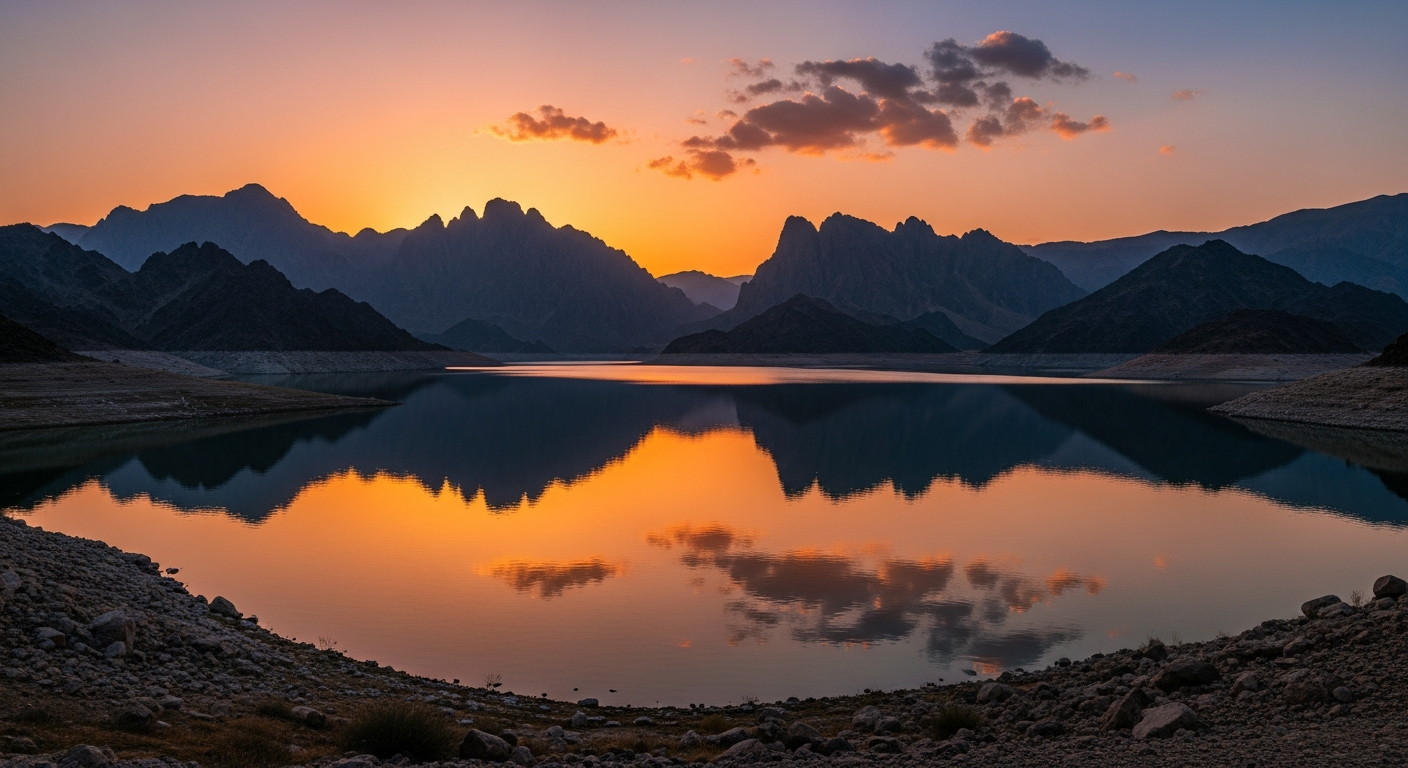
Just a short drive from the centre, the dam creates a serene lake surrounded by rugged mountains. A popular picnic spot for locals, especially on Fridays, with a scenic walkway and a few cafés where you can enjoy tea with a view of the water and the hills beyond.
- •Fridays and holidays are busiest with local families — weekdays are calmer.
- •Greenest and most pleasant in spring; hot and exposed at midday in summer.
- •Easy to reach by taxi from the city centre for a relaxed half-day.
- •Bring water and a hat — shade can be limited along the walkway.
The Old City and bazaars
Wander the central bazaar to experience daily life. Smaller than Erbil's, the market is vibrant and authentic, selling everything from fresh produce and spices to traditional Kurdish clothing and local crafts, with little of the tourist polish of the bigger cities.
- •A great place to see everyday local life rather than tourist shopping.
- •Carry small cash; many stalls do not accept cards.
- •Mornings are good for fresh produce; afternoons are livelier overall.
- •Dress modestly, as you would in any working Kurdish market.
Amadiyah (Amedi)
Perched atop a striking flat-topped mountain, Amadiyah is one of the most picturesque towns in the region, with a long history of coexistence between communities. Visit the ancient city gate, the Great Mosque and the breathtaking valley views from the plateau's edge.
- •About an hour from Duhok and ideal as a half-day trip.
- •The winding drive up to the plateau is part of the experience.
- •Compact enough to explore on foot in a couple of hours.
- •See our dedicated Amadiyah guide for a full walking route.
Zakho and the Delal Bridge
Near the Turkish border, Zakho is famous for the Delal Bridge — an ancient stone bridge arching gracefully over the Khabur River. A rewarding stop for its historical significance and beautiful setting, especially when the river runs high in spring.
- •Roughly an hour from Duhok, often combined with a wider day out.
- •The bridge is the highlight, but the riverside makes a pleasant stroll.
- •Most photogenic in the softer light of morning or late afternoon.
- •As a border area, carry your ID and follow any local guidance.
Mountain scenery and waterfalls
Duhok is the gateway to the spectacular mountains of the north, with valleys, waterfalls and viewpoints within easy reach for day trips into some of the region's finest landscapes.
- •Spring brings the fullest waterfalls and the greenest valleys.
- •A car or hired driver makes the scattered viewpoints far easier to reach.
- •Mountain weather can change quickly — pack a layer even on warm days.
- •Combine several stops into one scenic loop for a full day out.
Book tours & activities in Duhok
Browse guided tours, day trips and experiences in and around Duhok on GetYourGuide, with free cancellation on most bookings.
Tour links are affiliate links to GetYourGuide. If you book through them we may earn a small commission, at no extra cost to you — it helps keep this independent guide free.
Where to stay
City centre
Central hotels keep you close to the bazaar, restaurants and the road out to the dam, making a practical base for day trips into the surrounding mountains.
Near Duhok Dam
Staying toward the dam and lake trades some bustle for scenery and quiet, with the water and walkway close at hand.
Budget to mid-range hotels
The city offers mostly budget and mid-range accommodation rather than international five-star chains. Booking ahead is wise during the spring Newroz festival, when rooms fill quickly.
Find a place to stay in Duhok
Compare hotels, guesthouses and apartments across Duhok and book at the best available price.
Hotel links are affiliate links to Agoda. If you book through them we may earn a small commission, at no extra cost to you — it helps keep this independent guide free.
Pros & cons
Pros
- Stunning mountain-valley setting and the best base for the scenic north
- Close to Amadiyah, Zakho and the Duhok Dam lake
- Quieter, more local and authentic than the bigger cities
- Cooler mountain air compared with the central plains
Cons
- No major international airport — most visitors arrive overland from Erbil
- Fewer high-end hotels and international restaurants
- Smaller range of in-city attractions; the highlights are out of town
- A car or driver is effectively essential to reach the surrounding sights
Tips for visiting
- Getting there: most visitors arrive by shared taxi or car from Erbil, a scenic journey of about 2.5 to 3 hours.
- Accommodation: the city offers mostly budget to mid-range hotels — book ahead during the spring Newroz festival.
- Hire a car or driver to make the most of Amadiyah, Zakho and the dam, which are spread out.
- Pack layers: the mountain setting means cooler evenings, even in the warmer months.
- Carry cash in Iraqi dinar, as card acceptance is limited outside larger hotels.
From the blog
Frequently asked questions
What is Duhok known for?+
How do I get to Duhok?+
Is Duhok worth visiting?+
How many days do I need in Duhok?+
Do I need a car in Duhok?+
Plan the rest of your trip
Keep exploring the Kurdistan Region: see the best places to visit, browse things to do, read our Kurdistan travel tips and visa & entry guide, or find where to stay in Duhok. Travelling on set dates? Check the Kurdistan events calendar.
VisitKurdistan.com is an independent travel guide and is not affiliated with any government tourism authority. Details can change over time — verify with local providers before travel.