Kurdistan Tours
From half-day city walks to multi-day mountain adventures — how guided tours work in the Kurdistan Region of Iraq, the different types on offer, and how to choose and book the right one for your trip.
A guided tour is one of the easiest ways to get under the skin of the Kurdistan Region of Iraq. The region is wonderfully rewarding but still well off the mainstream tourist trail, which means public transport between the highlights is limited, road signs are not always in English, and many of the best experiences — a remote canyon viewpoint, a family-run kebab house, a quiet corner of an ancient citadel — are far easier to reach with someone who knows the way. A good guide collapses the logistics, bridges the language gap and adds the context that turns a list of sights into a story.
This page is the practical, booking-focused companion to the rest of our site. Where our things to do guide lists the attractions themselves and our trip planner helps you build a personalised itinerary, this guide is about the tours that take you to all of it — the formats available, what they typically include, how group and private options differ, how to vet an operator and how to actually book. Whether you have a single free afternoon in Erbil or a full week to loop the region, there is a tour that fits.
A quick note before you start planning: prices, schedules, seasonal access and exactly what each tour includes change frequently, and mountain routes in particular can be affected by weather and local conditions. Treat everything here as a starting framework rather than a fixed quote, and always confirm current details directly with an operator or local source before you travel and again before you pay.
Types of tours
Tours in the Kurdistan Region come in many shapes, and most travellers end up mixing a couple of formats — perhaps a half-day city tour to settle in, followed by a longer mountain day trip and maybe a food walk in the evening. Understanding the main categories makes it far easier to picture your trip and to ask operators the right questions.
City tours
Half-day or full-day walks and drives through Erbil, Sulaymaniyah or Duhok, taking in citadels, bazaars, museums, parks and the everyday street life that makes each city distinct. A good guide turns a quick orientation into a proper introduction to Kurdish history and modern life.
Best for: First-time visitors and short stays
Mountain & nature day trips
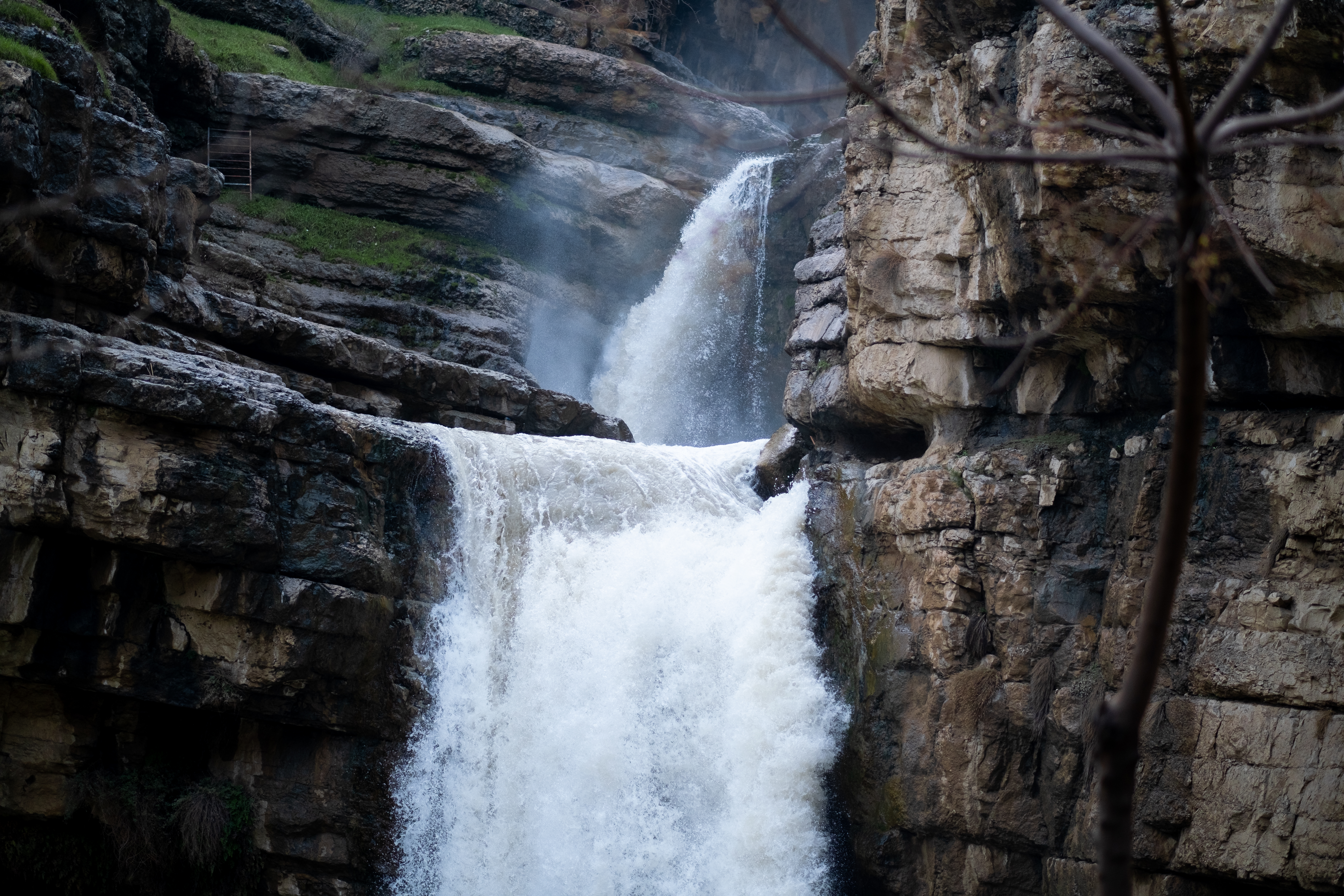
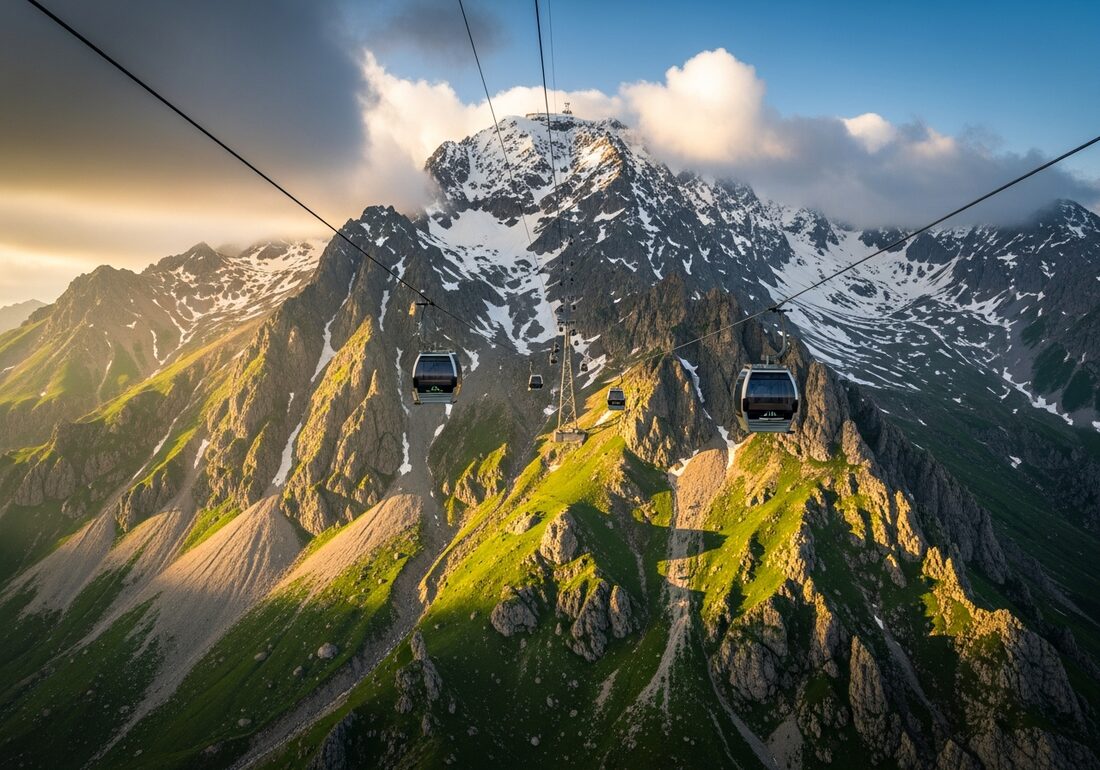
Drives out to the Rawanduz canyon, the Gali Ali Beg and Bekhal waterfalls, the Hamilton Road, Mount Korek's cable car and the green valleys around Duhok. These trips trade museums for scenery and big mountain air.
Best for: Photographers, scenery lovers and families
Cultural & historical tours
Deeper, theme-led itineraries built around heritage: the Erbil Citadel, the sacred Yazidi valley of Lalish, the clifftop town of Amedi (Amadiyah), the museums of Sulaymaniyah and the moving memorial at Halabja.
Best for: History buffs and thoughtful travellers
Food tours
Guided grazing through bazaars, bakeries, teahouses and family restaurants, sampling kebabs, biryani, dolma, fresh bread, sweets and endless glasses of cardamom tea while learning the stories behind Kurdish cuisine.
Best for: Food lovers and culture-curious visitors
Multi-day tours
Three to ten day packages that loop the cities, mountains, lakes and sacred sites with transport, a driver-guide and accommodation arranged for you. The least logistics-heavy way to see a lot in one trip.
Best for: Travellers who want everything organised
Guided hikes
Walks ranging from gentle valley strolls to demanding climbs in the high Zagros around Choman, Rawanduz and the northern passes, led by people who know the trails, the weather and the border-sensitive areas to avoid.
Best for: Active travellers and the outdoors-minded
Photography tours
Itineraries timed around light and location — sunrise on the citadel, golden hour in the canyons, misty mornings at Amedi — with stops and pacing chosen to get you the shots rather than to rush between sights.
Best for: Keen photographers and content creators
Erbil is the most common starting point for tours of every kind, simply because it is where most international flights land and where the largest concentration of operators is based. From there it is straightforward to reach Rawanduz and Mount Korek to the north-east, the Yazidi heartland and clifftop towns around Duhok to the north-west, and — with an earlier start or an overnight — the cultural sights, lakes and memorials around Sulaymaniyah to the south-east. Many of the best nature outings are technically based out of Erbil even when the scenery lies hours away.
If your interests are more specific — serious hiking, dedicated photography, a deep dive into Kurdish food — look for operators who specialise rather than generalists who add those experiences as an afterthought. A specialist hiking guide will know which high routes are sensible and safe in a given season, and a food-focused guide will get you into the kind of family kitchens and market stalls that rarely appear on a standard city circuit.
Group vs private tours
One of the first decisions you will make is whether to join a shared group tour or book a private one. Neither is better in absolute terms; they simply suit different travellers, budgets and moods.
Group tours
Shared with other travellers on a set route and timetable. They are usually the most affordable option per person, sociable, and a good way to meet people if you are travelling solo. The trade-off is less flexibility: you follow the group's pace, stop where the itinerary says, and may spend a little time waiting for everyone to regroup. Group departures can also be smaller and less frequent here than in mass-tourism destinations, so check availability for your dates.
Private tours
Just for you and whoever you are travelling with, with a dedicated driver-guide. They cost more, but you gain control: linger longer at a viewpoint, skip a stop that does not appeal, adjust the start time, or build a bespoke route around your interests. Private tours are ideal for families, photographers, anyone with mobility needs, and travellers who simply value flexibility over saving money.
A middle path that works well here is a small private day trip for a couple or family: split between two or three people, a private mountain tour can be surprisingly reasonable while still giving you the freedom of your own vehicle and guide. If budget is tight and you are flexible on dates, look out for shared departures; if your time is short and your priorities specific, private is usually worth the premium.
What a typical day tour includes
Day tours are the backbone of travel here, and a well-run one removes almost all the friction of getting around. While every operator packages things slightly differently, most full-day tours share a similar shape — and knowing it helps you compare listings and spot what might be missing.
Commonly included
- Transport
- Air-conditioned vehicle and a driver, usually with hotel pick-up and drop-off in the city you start from.
- Guide
- An English-speaking guide (other languages on some private tours) who handles directions, context and local interactions.
- Entry & stops
- Stops at the main sights, with entry fees sometimes included and sometimes paid on the day — always confirm when booking.
- Water & basics
- Often bottled water and small comforts; lunch may be included or left to a recommended local spot.
- Flexibility
- On private tours, freedom to slow down, linger or swap a stop. On group tours, a fixed but well-paced route.
A classic example is a mountain day from Erbil: an early pick-up, a scenic drive into the Zagros, stops at the Rawanduz canyon viewpoints and the Gali Ali Beg and Bekhal waterfalls, a ride up the Mount Korek cable car, a relaxed lunch at a mountain restaurant, and a late-afternoon return. A city day, by contrast, might combine the Erbil Citadel, the Qaysari bazaar, a couple of museums and a tea stop, all at walking pace with short drives between.
The details that vary most — and therefore the ones to confirm before booking — are entry fees (included or paid on the day), lunch (provided or at your own cost), the cable car or boat fares at places like Korek and Dukan, and how firm the timings are. Reading exactly what a price covers is the single best way to avoid surprises, since two tours to the same places can be priced very differently depending on inclusions. Note that cable-car and some seasonal stops can pause in poor weather, so it is worth asking what happens if a key sight is closed on the day.
How to choose a tour operator
The quality of your day will depend more on your guide than on almost anything else, so it pays to choose carefully. The tourism scene here is younger and smaller than in better-known destinations, which is part of its charm but also means standards vary. A little due diligence goes a long way.
Questions worth asking
- What exactly is included — transport, guide, entry fees, lunch, water — and what is paid separately on the day?
- Is the tour private or shared, and if shared, what is the maximum group size?
- What language is the tour conducted in, and will the same guide be with you throughout?
- What is the itinerary in detail, including pick-up time and expected return?
- What happens if a key sight, road or cable car is closed due to weather or local conditions?
- What is the cancellation and refund policy, and how and when do you pay?
Beyond the answers, look for clear, prompt and honest communication. An operator who explains things carefully before you have paid is likely to look after you well on the day too. Read recent traveller reviews where you can find them, but weigh them sensibly — this is a small market, so judge the overall pattern rather than any single comment. Be a little wary of anyone who promises access to restricted or border-sensitive areas, or who is vague about safety and logistics in the mountains.
It is also worth being clear with yourself about what you want. A generalist city-and-mountains operator is perfect for a broad first visit, but if you are set on a demanding hike, a serious photography day or a deep culinary experience, seek out someone who genuinely specialises in it. Matching the operator to your goals is the surest route to a memorable day.
How to book a tour
There are two broad ways to book: through an online marketplace before you arrive, or directly with a local operator (often via their website, social media or your hotel) once you are on the ground. Booking ahead locks in your plans and is sensible for peak periods such as Newroz in March or for specific multi-day trips; booking locally can offer flexibility and the chance to tailor things in person.
Online marketplaces are a convenient way to browse what is currently bookable, compare inclusions and read reviews in one place. To see live, comparable listings for the region, you can search platforms like GetYourGuide:
Browse bookable tours and experiences
Affiliate links — we may earn a small commission at no extra cost to you, which helps keep this site running.
Whichever route you choose, get the key details in writing before you pay: the date, pick-up time and place, the exact itinerary, the price and what it covers, the group type and size, and the cancellation terms. If you are booking locally, your hotel front desk is often a reliable intermediary and can vouch for operators they work with regularly. Listings and availability change, so confirm prices and dates directly with the provider before booking and again close to your travel date.
What to expect & etiquette
Tours here tend to feel personal and relaxed rather than slick and corporate, and that is a large part of their appeal. Expect warm hospitality, a fair amount of spontaneous conversation, and guides who are genuinely proud to show off their region. Timings can run a touch loose by Western standards, and an invitation to tea is more a part of the culture than an interruption to it — lean into it. Distances between mountain sights can be longer than they look on a map, so a day described as relaxed may still involve a few hours of driving.
A little cultural awareness makes everything smoother. Dress modestly, especially at religious and memorial sites such as Lalish and Halabja, where you should follow your guide's lead on covering up, removing shoes and keeping a respectful, quiet manner. Always ask before photographing people, particularly women, and avoid pointing cameras at checkpoints, military or government buildings. Carry your passport or ID, as tours often pass through checkpoints where documents may be checked — this is routine, and your guide will handle it.
Tipping is appreciated for good service but not rigidly fixed; a modest amount for a guide and driver you were happy with is a kind gesture. Bring sun protection, sturdy shoes for any walking, layers for cooler mountain air, and cash in small denominations for incidental costs, snacks and entry fees that may not be included. As ever, confirm in advance what you need to bring and pay for, since this varies between operators.
When to go
The season shapes which tours make sense. Spring, roughly March to May, is arguably the finest time of all: the hills turn green, the waterfalls run full, and the weather is mild for both city walking and mountain trips. March also brings Newroz, the Kurdish new year, when celebrations such as the famous torch-lit hillsides at Akre make for unforgettable — but busy — touring; book well ahead if you are travelling then.
Autumn, around September to November, is the other sweet spot, with crisp, clear days ideal for photography and hiking and far smaller crowds. Summer is very hot, particularly in the cities, so tours in that season lean on early starts, shaded bazaars and higher, cooler mountain destinations. Winter is quiet and cold, snow blankets the peaks, and it draws families up to Mount Korek for snow play — though some high routes and cable-car services can pause in bad weather, so flexibility and advance checking are essential.
Whenever you come, build a little slack into your plans. Mountain conditions, seasonal closures and changing schedules all mean that the smartest approach is to confirm access for your specific dates with your operator, and to keep a backup option in mind in case a key sight is closed on the day. For a deeper seasonal breakdown, our travel tips and first-time visitors guide are good companions to this page.
Frequently asked questions
Do I need a guided tour to visit the Kurdistan Region of Iraq?+
What is the difference between a group tour and a private tour?+
How much does a tour in the Kurdistan Region cost?+
What language are tours conducted in?+
When is the best time to take a tour?+
Are tours suitable for families and older travellers?+
Keep exploring
Ready to plan the rest of your trip? See our guide to things to do for the attractions a tour will take you to, browse the best hikes in Kurdistan if you are drawn to the mountains, consider a ready-made travel package for a fully organised trip, and map out where to go with our roundup of the best places to visit in Kurdistan. You can also build a personalised route with our trip planner.
Get featured on VisitKurdistan.com
We are building a free business directory to connect travellers with the people who make trips to the Kurdistan Region of Iraq run smoothly. If you run a hotel, resort, tour company, restaurant, travel agency, car rental firm or adventure experience, you will soon be able to list your business here and reach visitors planning their trip.
Directory categories
Register your interest
The directory is not public yet. We verify submissions, record corrections and claims, label any sponsored or affiliate-supported relationship, and expire records that cannot be kept current. We never sell placement or present a listing as a review or recommendation.
VisitKurdistan.com is an independent travel guide. Listings will be clearly marked and are not endorsements; we are not affiliated with any government tourism board or official authority.
VisitKurdistan.com is an independent travel guide and is not affiliated with any government tourism board or official tourism authority. Prices, availability, opening hours, entry rules and seasonal access change frequently — always verify current details with an official or local source before you travel.