Where to Stay in Duhok
A relaxed, mountain-ringed city in the north of the Kurdistan Region of Iraq — and one of the best bases for reaching Lalish, Amadiyah and the Zagros foothills. Here is how to choose where to stay.
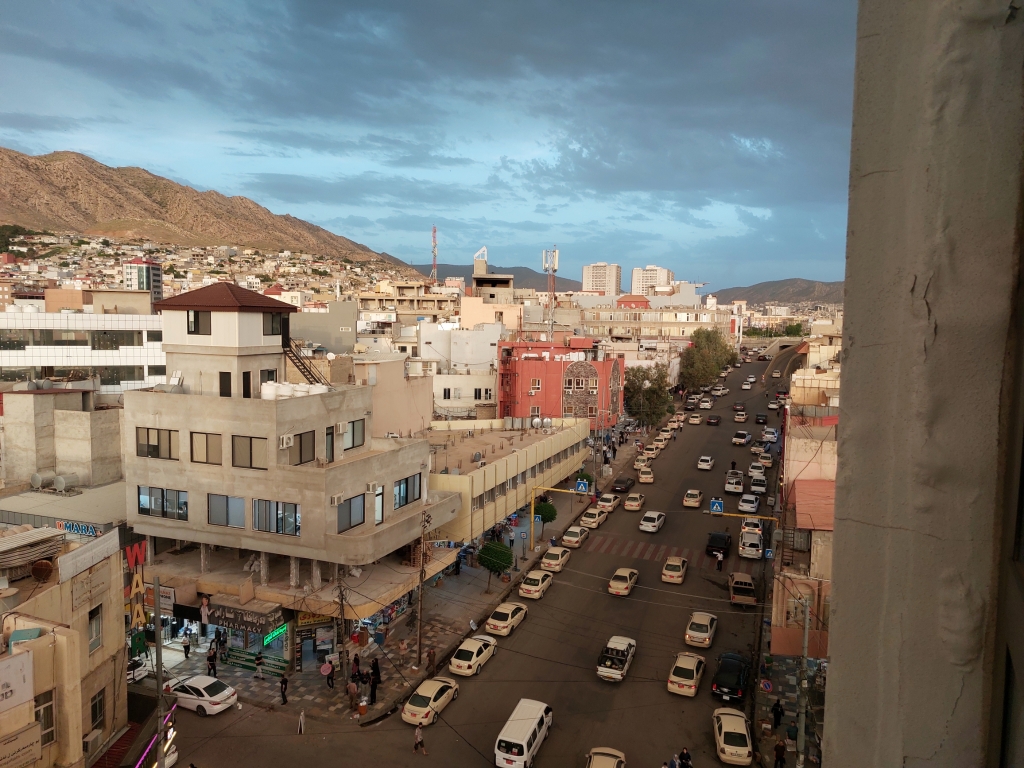
Duhok sits in a natural bowl, hemmed in by ridgelines and watched over by the long shoulder of Mount Zawa. It is the smallest of the three main cities in the Kurdistan Region of Iraq, and its accommodation scene reflects that: the choice is more modest than in Erbil or Sulaymaniyah, and you will not find the same density of international-brand hotels or serviced apartments. What Duhok offers instead is an easy, unhurried pace, genuinely friendly hosts, and an unbeatable position for exploring the dramatic landscapes and ancient sites of the north.
That smaller scale is worth stating plainly rather than dressing up. There are fewer rooms in town, so on busy summer weekends and around big holidays the better-known places fill quickly. The flip side is that distances are short, prices tend to be reasonable, and you are never far from the centre. Most travellers who base themselves here are using Duhok as a launchpad — spending their days out at Lalish, Amadiyah, Zakho or Duhok Dam, and their evenings strolling the city's parks and eating well.
This guide walks through why Duhok works as a base, the areas worth considering, the kinds of accommodation you will encounter, and how to think about getting around and booking ahead. Throughout, we keep cost and availability talk general on purpose — the market changes, so always confirm the current picture with the property or platform before you commit.
Why stay in Duhok
Duhok rewards travellers who like their cities calm and their scenery close at hand. The centre is compact and walkable, ringed by green parks and overlooked by mountains on almost every side. After the heat of the day, families gather along the promenades, tea is poured, and the whole place takes on an easy, sociable rhythm. For visitors, that means a base where you can decompress between excursions rather than battle traffic.
The city's biggest draw as a base is geography. Some of the most evocative sites in the Kurdistan Region — the sacred valley of Lalish, the clifftop silhouette of Amadiyah, the old stone bridge at Zakho — all sit within day-trip range. Duhok Dam, with its broad reservoir and lakeside cafés, is practically on the doorstep. Few other cities in the region put so much within a short drive.
Duhok also has a distinct character. It feels more local and less polished than Erbil, which many travellers find refreshing. English is less widely spoken than in the larger cities, so a few words of Kurdish and a friendly manner go a long way — and they are almost always met warmly. If your trip is built around northern Kurdistan's landscapes and heritage rather than nightlife or shopping malls, Duhok makes complete sense.
Best areas to stay
Because Duhok is small, the choice of "area" is more about atmosphere and convenience than long commutes — almost everywhere is within a short taxi ride of everywhere else. Still, a few districts stand out for different kinds of traveller.
City centre
The most practical base for first-time visitors. Staying centrally keeps you within reach of restaurants, the bazaar, banks, pharmacies and taxi ranks, and makes early starts for day trips simple. Most of Duhok's mid-range and better-known hotels cluster in and around the centre. Best for: convenience, walkability and short trips.
Near Duhok Dam
The area towards Duhok Dam and the surrounding slopes is greener and quieter, with views over the reservoir and the hills. It suits travellers who would rather wake up to scenery than city bustle and do not mind a short hop into the centre for meals and errands. Best for: views, calm and a more relaxed setting.
Nizarke & the newer districts
The Nizarke area and Duhok's newer residential districts have grown in recent years, with a sprinkling of hotels and apartment-style stays among the shops and eateries. These neighbourhoods can be a comfortable middle ground — a little quieter than the very centre but still well connected. Best for: a residential feel with easy access.
University area
Around the University of Duhok you will find more budget-friendly accommodation and a younger, lively atmosphere with cheap eats and cafés. It is handy for longer or cost-conscious stays, though slightly further from the main sights. Best for: budget travellers and longer visits.
Neighbourhood boundaries and what is on offer in each area change over time — use this as a starting point and confirm a property's exact location and surroundings before booking.
Using Duhok as a base for day trips
Duhok's real advantage shows once you start planning excursions. The city makes an excellent hub for the north, and many visitors choose it precisely so they can range out by day and return to a comfortable, familiar room each night. Hiring a car with a driver for a full day is a popular, low-stress way to link several sights, and your hotel can usually help arrange one.
Lalish
The serene, sacred valley of Lalish — the holiest site of the Yazidi faith — lies within easy reach. Visitors remove their shoes on entering the sanctuary; dress modestly and follow local guidance. Read more on our Lalish guide.
Amadiyah (Amedi)
One of the most photogenic places in the region, this ancient town perches on a flat-topped mountain above terraced valleys. The drive up is half the experience. See our Amadiyah guide for what to expect.
Zakho
Towards the northern border, Zakho is known for its graceful old stone bridge spanning the Khabur River — a long-standing symbol of the area and an easy add-on to a day out from Duhok.
Duhok Dam
Practically a local outing, the dam and its reservoir are a favourite spot for a stroll, a picnic or a lakeside tea, especially in spring and early summer when the surrounding hills are green.
Accommodation by style & budget
Duhok covers the main bases — upmarket, mid-range and budget — but with fewer choices in each bracket than the bigger cities, and a thinner top tier in particular. The descriptions below are general; we deliberately avoid quoting prices or attaching ratings, because both change and we do not invent figures. Check live listings for the current picture.
Upmarket
Duhok has a small number of more comfortable, higher-specification hotels, typically in or near the centre, offering on-site dining, reliable facilities and helpful front desks. This tier is genuinely limited compared with Erbil, so if a particular standard matters to you, book early and confirm exactly what is included.
Mid-range
This is the heart of Duhok's market and where most visitors end up. Dependable city hotels offer clean, comfortable rooms, breakfast and good central locations at fair value. Staff are often happy to help arrange taxis and day trips, which makes these a sensible choice for travellers planning excursions.
Guesthouses & budget
Simpler guesthouses and budget hotels cluster near the bazaar and in the university area. Facilities are basic but usually clean, and the welcome is warm. These are ideal for cost-conscious or longer stays; for the cheapest rooms it is often worth asking locally as well as checking online platforms.
Serviced apartments
Apartment-style stays exist but are less common here than in Erbil. They can suit families or anyone settling in for a week or more who wants a kitchen and extra space. Availability is patchy, so search early if this is your preference.
Prices, room types and facilities change frequently — treat the above as general guidance and verify current details and what is included before you book.
Getting around & onward travel
Within Duhok, getting around is straightforward. The centre is compact enough to explore on foot, and taxis are plentiful, inexpensive and easy to arrange through your hotel. There is no metro, tram or formal city bus network aimed at visitors, so taxis and walking will cover most needs. As fares are usually agreed rather than metered, it helps to confirm the price before you set off.
For day trips into the mountains, the most flexible option is to hire a car with a driver for the day or to rent a vehicle if you are comfortable driving local roads. A driver who knows the area takes the stress out of mountain routes and lets you focus on the scenery. If you plan to self-drive, factor in winding roads and checkpoints, and confirm what your hire terms cover.
On the question of arriving and leaving: Duhok does not have its own major commercial airport for most international travellers, and many visitors reach the city overland from Erbil. Erbil International Airport is the usual gateway, with a road transfer of a few hours up to Duhok. Shared and private cars run between the cities; arranging a reliable driver in advance makes the journey smoother. Confirm current routes, transfer times and any entry formalities before you travel.
Booking tips
- →Book the centre for your first stay — it keeps restaurants, the bazaar and transport within easy reach and simplifies early starts for day trips.
- →Message the property directly if you have questions about location, parking or arranging a driver; smaller hotels are often very responsive and helpful.
- →Because the choice is limited, secure your room early for summer weekends and holidays rather than leaving it to chance on arrival.
- →Ask your hotel about hiring a car with a driver for day trips — it is often the easiest way to reach Lalish, Amadiyah and Zakho.
- →Confirm what breakfast, Wi-Fi and air conditioning are included, and whether payment is expected in Iraqi Dinar or US Dollars.
- →Read recent guest comments where available, but treat any single review with perspective and verify key details with the property.
Seasons & booking ahead
Duhok's seasons shape both the experience and how far ahead you should book. Spring (roughly March to May) is arguably the loveliest time: the surrounding hills turn green, the weather is mild, and the city feels at its best. Newroz, the spring new-year celebration, falls in this window and brings a festive buzz — and more demand for rooms, so book ahead if you are visiting then.
Summer (June to August) is hot and is the busiest domestic travel season, as visitors head north for cooler mountain air. Weekends and holidays can stretch the city's limited room stock, so reserve early. Autumn (September to November) eases back into mild, pleasant conditions and is generally quieter and more flexible for booking. Winter is cold, sometimes with snow on the surrounding heights, and very low-key — you will have more choice but some mountain day trips may be affected by weather.
Whenever you go, remember that availability and pricing shift with the season and with local events. The further ahead you can lock in a room for peak periods, the better. Always verify current rates, availability and seasonal access before you finalise your plans.
Search & book online
When you are ready to compare what is currently available, browsing hotels in Duhok online is the quickest way to see live rates, photos and recent guest feedback in one place. Filter by area, price and the facilities that matter to you, and read the details carefully before booking.
Affiliate links — we may earn a small commission at no extra cost to you, which helps keep this site running.
Frequently asked questions
Is it easy to find accommodation in Duhok?+
Which area of Duhok is best to stay in?+
Is Duhok a good base for day trips?+
What kinds of accommodation are available in Duhok?+
When should I book accommodation in Duhok?+
How do I get around Duhok once I have checked in?+
Keep exploring
Compare your options across the region on our where to stay in Kurdistan hub, get the full picture of the city in our Duhok guide, then plan day trips to the sacred valley of Lalish and the clifftop town of Amadiyah.
Get featured on VisitKurdistan.com
We are building a free business directory to connect travellers with the people who make trips to the Kurdistan Region of Iraq run smoothly. If you run a hotel, resort, tour company, restaurant, travel agency, car rental firm or adventure experience, you will soon be able to list your business here and reach visitors planning their trip.
Directory categories
Register your interest
The directory is not public yet. We verify submissions, record corrections and claims, label any sponsored or affiliate-supported relationship, and expire records that cannot be kept current. We never sell placement or present a listing as a review or recommendation.
VisitKurdistan.com is an independent travel guide. Listings will be clearly marked and are not endorsements; we are not affiliated with any government tourism board or official authority.
VisitKurdistan.com is an independent travel guide and is not affiliated with any government tourism board or official tourism authority. Prices, availability, opening hours, entry rules and seasonal access change frequently — always verify current details with an official or local source before you travel.