Kurdistan Weather and the Best Time to Visit
The Kurdistan Region has a strong seasonal contrast: hot lowland cities, cooler mountain bases, green spring valleys and snow on higher peaks in winter. There is no single best month for every traveller. The right time depends on whether you want comfortable city walks, waterfalls, hiking, autumn photography, Newroz celebrations or snow in the mountains.
Spring: green valleys and Newroz
Spring is the most broadly appealing season for a first trip. Valleys and hills can be green, wildflowers add colour and temperatures are often more comfortable for combining city walks with mountain drives. Newroz on 21 March is a fixed cultural anchor, while the exact shape of surrounding celebrations, public gatherings and local events can vary — check current details before travelling.
Spring weather is not a guarantee of clear roads or waterfalls every day. Rain can make trails muddy and change visibility in the high country. Pack a waterproof layer, shoes with grip and a warm layer for evenings, and keep an indoor or city alternative for a mountain day.
Summer: hot cities, cooler highlands
Summer can be very hot in Erbil and other lowland cities, especially around the middle of the day. Plan bazaars, museums, meals and rest for the hottest hours, then walk early or after sunset. Many residents head towards lakes, streams and mountain resorts, so weekend traffic and accommodation demand in popular highland areas may be different from the city.
The mountains can feel considerably more comfortable, but heat does not disappear at altitude. Carry water, sun protection and a hat, and do not mistake a cooler breeze for safe exposure. Mobile coverage and shade can be limited on remote walks, so choose established routes and ask locally about current conditions.
Autumn: clear light and a calmer rhythm
Autumn is often an excellent compromise for travellers who want city culture, road trips and hiking without spring's changeable green-season showers. The light can be beautiful around old stone towns and mountain roads, while cooler evenings make outdoor dining and long walks more pleasant. As always, the actual experience varies by year.
Pack layers rather than a single heavy outfit. A warm afternoon can turn into a cool evening in the mountains, and a route that feels easy at midday may be less comfortable after sunset. This is a good season for a multi-base itinerary because the weather often supports both lowland and highland plans, but keep the same local-check habit.
Winter: snow, short days and flexible driving
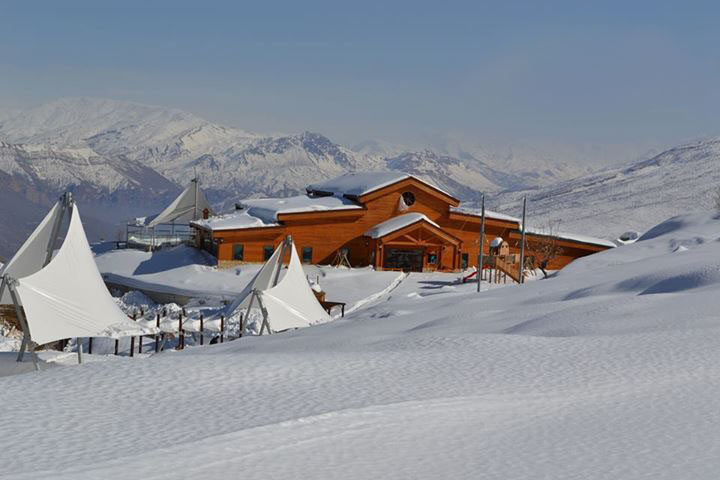
Winter brings cold weather and snow to higher mountains, creating a different landscape around Korek, Rawanduz and the high Zagros. It can be rewarding for visitors who want snowy scenery and a quieter pace, but mountain routes may become difficult or temporarily inaccessible. Cable-car, resort and seasonal activity schedules should be checked directly rather than assumed from a previous winter.
Shorter daylight means you should start early, avoid ambitious remote walks and leave extra time for a driver to respond to ice, fog or snow. Bring warm, waterproof layers and footwear with grip. A lower-altitude city or heritage day is a sensible plan B, not a failed trip.
How to choose your travel window
Choose spring for green scenery and Newroz, summer for highland escapes and long evenings, autumn for comfortable all-round touring, and winter for snow with the greatest need for flexibility. Check a reliable forecast for each base rather than relying on one forecast for the whole region: Erbil, Duhok, Sulaymaniyah and the high mountains can feel like different climates on the same day.
Weather changes, seasonal access and event schedules are subject to change. Verify forecasts, road conditions, attraction opening information and event details shortly before each outing.
Keep planning
VisitKurdistan.com is an independent guide. Please verify current details with official sources, local hosts and organisers before making a journey.