Halabja Pomegranate Festival
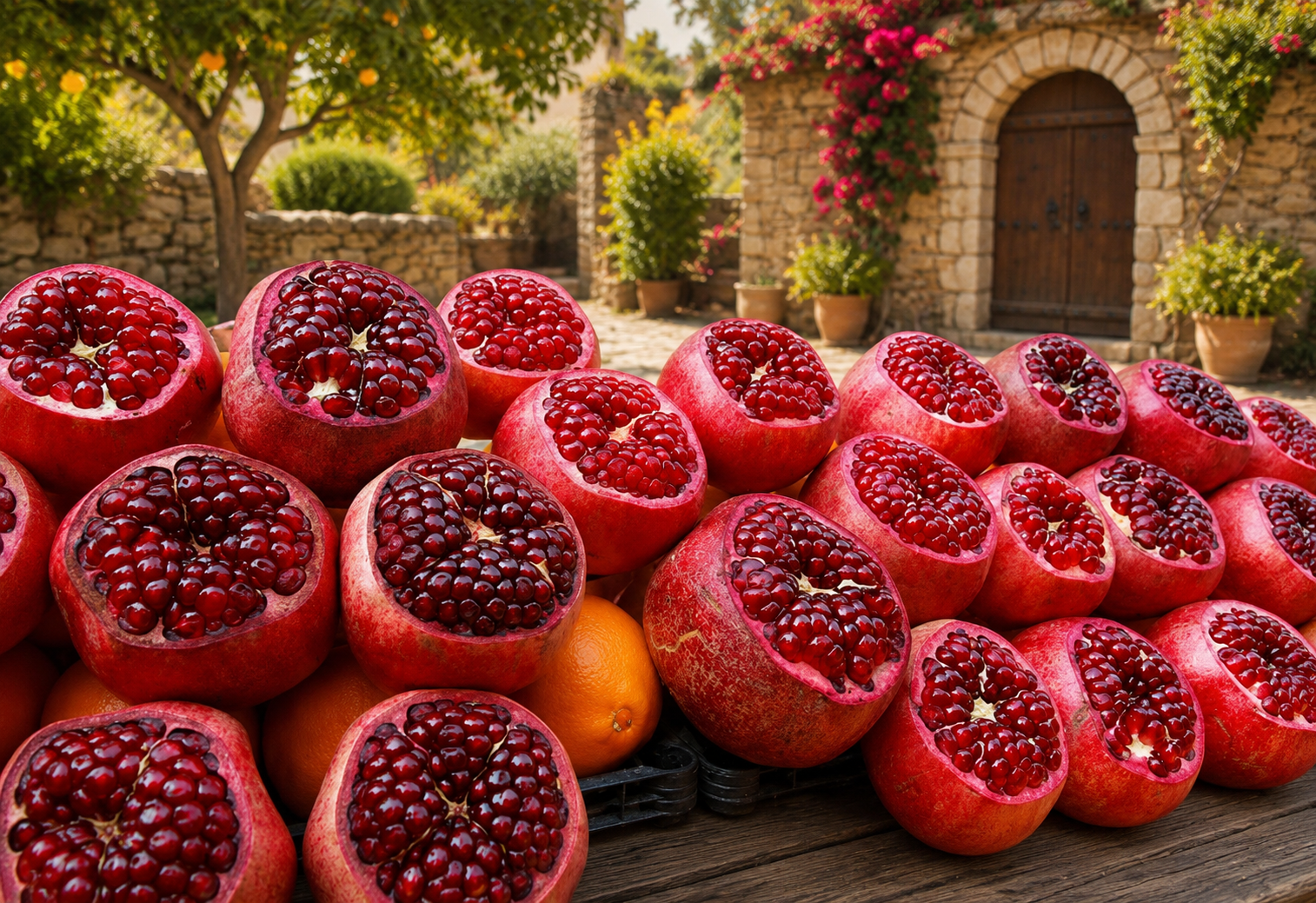
The autumn harvest of Halabja's famous pomegranates, celebrated in the orchards
Date
Autumn 2026 (harvest season)
Time
Typically daytime, from late morning through the afternoon
Location
Halabja town and the surrounding orchard villages
Dates need organiser confirmation
This is an editorial listing based on seasonal or recurring information; no current organiser verification is recorded. Event programmes, venues and times can change — check before making travel plans.
Overview
Few places in the Kurdistan Region of Iraq are as closely tied to a single fruit as Halabja is to the pomegranate. Set in a fertile basin in the south-east of the region, ringed by mountains near the Iranian border, the town and its surrounding villages produce pomegranates that are renowned across Iraq for their size, deep colour and balance of sweetness and tartness. When the harvest comes in autumn, the orchards turn heavy with fruit and the season is marked by a pomegranate festival — a celebration of the crop that has shaped the local economy, kitchen and identity for generations.
For a visitor, the festival is a wonderful reason to travel to a part of the region that sees fewer foreign guests than Erbil or Sulaymaniyah. It is a genuinely agricultural event, rooted in the working life of farming families rather than staged for tourists, and that authenticity is its greatest charm. Stalls are piled high with pomegranates sold by the crate and the kilo, alongside the products made from them: ruby-red juice pressed on the spot, thick pomegranate molasses (known locally as rûbar or dûshawa anar), syrups, jams and dried arils. The air carries the sharp-sweet smell of cut fruit and the smoke of grills cooking lunch for the crowds.
What to expect
- →Mountains of fruit — growers bringing their best pomegranates down from the orchards, often competing informally for the finest and largest
- →Fresh-pressed juice — vivid, tannic and refreshing, pressed in front of you and sold by the glass
- →Pomegranate molasses and preserves — the concentrated syrup that gives Kurdish dishes their signature tang, plus jams, syrups and sweets
- →Local cooking — grilled meats, rice dishes and stews, many of them using pomegranate as a souring agent
- →Music and dance — traditional Kurdish music and circles of the chain dance known as govend forming through the day
- →Crafts and produce — honey, walnuts, dried fruit and other autumn harvest goods from the surrounding valleys
A taste of place
Pomegranate is woven through Kurdish cooking, and Halabja is the best place to understand why. The molasses is used to sour and deepen stews, dress salads, glaze grilled meats and finish dolma; the fresh arils scatter over rice and desserts; the juice is both a drink and a cooking ingredient. Tasting these things at their source, within sight of the orchards that produced them, gives them a context no restaurant can match. Buy a bottle of molasses to take home and you will carry a little of Halabja's autumn into your own kitchen.
Halabja itself is a town with a profound and sombre modern history, and many visitors combine the festival with a respectful visit to the town's memorial. Approaching the place through its harvest and its hospitality — through the generosity of its growers and cooks — is a moving counterpoint, a reminder of a community's resilience and its deep connection to the land it farms.
History & significance
A fruit and a place
Pomegranates have been cultivated in the valleys around Halabja for centuries, favoured by a combination of fertile soil, abundant mountain water and a climate of hot summers and cool autumns that suits the fruit perfectly. Over generations the area earned a reputation across Iraq for producing pomegranates of exceptional quality, and the crop became central to the livelihoods of farming families and to the rhythm of the local year. The autumn harvest has always been a communal moment, drawing families into the orchards and filling the markets with fruit.
From harvest to festival
The pomegranate festival formalises a celebration that has effectively always existed in informal form. Bringing growers, cooks, musicians and visitors together in one place, it gives the harvest a public stage: a chance for farmers to show off their best fruit, for producers to sell juice, molasses and preserves, and for the wider community to mark the turning of the season. Events of this kind are typically organised by local agricultural associations, cooperatives and municipal teams rather than any national tourism authority, which gives the festival its grassroots, community-led feel.
A living tradition, year by year
Because the festival follows the harvest and is arranged locally each year, its exact timing and format shift from one season to the next, depending on when the fruit ripens and on local planning. Treat any schedule you find as provisional and subject to change — verify with the organiser before travel. What stays constant is the spirit: a celebration of a crop, a landscape and a community, and an invitation to taste the result at its freshest.
Highlights
Visitor information
When to go
The festival follows the pomegranate harvest, which falls in autumn — typically around October, though the precise timing depends on the season and is decided locally each year. Autumn is in any case a beautiful time to visit this corner of the region, with warm days, cool evenings and the surrounding hills taking on their seasonal colour. Because listings often appear only a short time ahead and dates can move with the harvest, stay flexible and confirm before you travel; any dates you see are subject to change — verify with the organiser before travel.
What to bring and wear
- →Cash in small denominations, as stalls are cash-only and fruit and preserves are sold cheaply
- →A sturdy bag or two if you plan to carry home pomegranates, molasses or preserves
- →Comfortable walking shoes for orchard ground and busy market areas
- →A light layer for cool autumn evenings
- →Sun protection for the warm middle of the day
Tips for enjoying
- →Taste before you buy — growers are usually delighted to cut a fruit open and let you try it
- →Pick up a bottle of pomegranate molasses; it travels well and is the single best souvenir of the festival
- →Try the fresh-pressed juice, which is far more vivid and tannic than anything bottled
- →Talk to the farmers; many are proud to explain the different varieties and what makes Halabja fruit special
Accessibility and family notes
Market and town-centre areas are broadly accessible, though orchard settings and some village venues have uneven ground. The festival is family-friendly and unhurried, with plenty for children to look at and mild, sweet flavours they tend to enjoy.
How to get there
Halabja sits in the south-east of the Kurdistan Region of Iraq, in its own governorate near the Iranian border. The most practical gateway is Sulaymaniyah, whose international airport (ISU) handles flights from a range of regional hubs. From Sulaymaniyah, Halabja is roughly an hour and a half to two hours away by road, through attractive country that makes the journey part of the experience.
The simplest way to reach Halabja is by shared or private taxi from Sulaymaniyah; shared taxis depart when full from the city's taxi stands, while a private car gives you more flexibility to stop at viewpoints and villages along the way. If you are touring the wider region, Sulaymaniyah is around three to three and a half hours from Erbil by road, so it is realistic to fold a Halabja day trip into a longer itinerary based around the eastern cities.
Because the festival's exact venues and timing are arranged locally and can shift with the harvest, confirm the details on arrival — your hotel in Sulaymaniyah or Halabja is the best source of up-to-date information. As with all seasonal events here, treat published dates as subject to change — verify with the organiser before travel.
Practical information
Best hotels nearby
Halabja hotels
Halabja
A handful of local hotels in town put you closest to the festival and the surrounding orchards.
Sulaymaniyah hotels
Sulaymaniyah
A wider choice of accommodation about 1.5–2 hours away, and the most practical base for the trip.
Plan your visit
Frequently asked questions
When is the Halabja Pomegranate Festival held?+
Why is Halabja known for pomegranates?+
What can I buy and taste at the festival?+
How do I get to Halabja?+
Is Halabja worth visiting beyond the festival?+
Related events
All events →VisitKurdistan.com is an independent travel guide and is not affiliated with any government tourism authority. Event details are subject to change — always verify with the organiser before travel.