Traditional Cooking Events
Hands-on demonstrations and the secrets of the Kurdish kitchen
Date
Spring & Summer 2026
Time
Daytime workshops and demonstrations
Location
Sulaymaniyah and cultural venues across the region
Overview
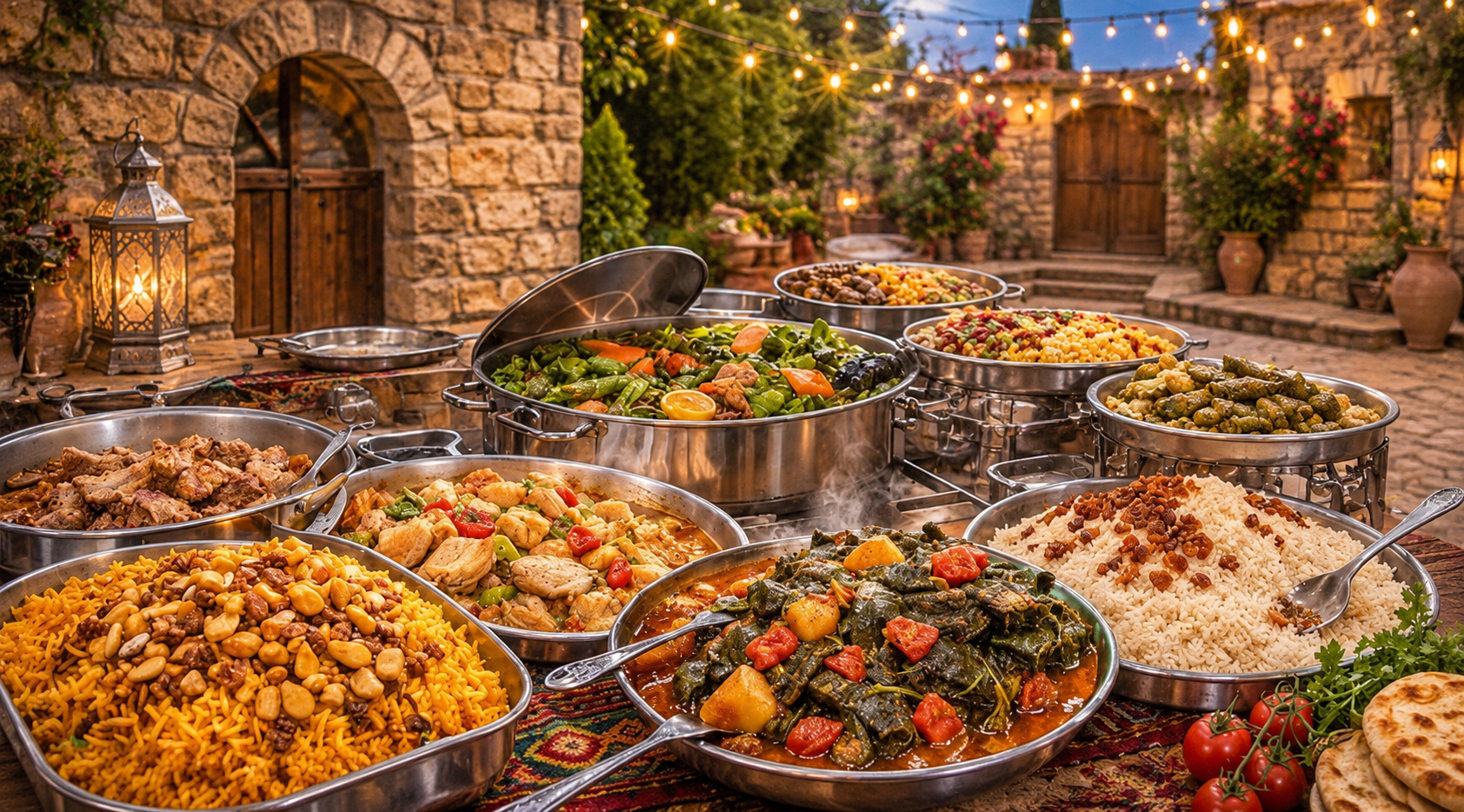
For travellers who want to go beyond tasting, traditional cooking events across the Kurdistan Region of Iraq offer a hands-on window into the Kurdish kitchen. Demonstrations, workshops and home-cooking showcases reveal the patience, technique and quiet skill behind dishes that look simple on the plate but carry generations of know-how. Where a food festival lets you eat the cuisine, a cooking event lets you understand it — why dolma is rolled just so, why rice is rinsed and rested, why a stew is left to cook slowly for half a day.
These events range widely in format. Some are short demonstrations at a festival, where a cook works through a single dish while a small crowd gathers and questions fly. Others are structured workshops in a cultural centre, hotel or restaurant, where you put on an apron and actually do the work — chopping, stuffing, layering and stirring under guidance. A few are intimate home-style experiences, where a family welcomes a small group into something close to their own kitchen. Whichever you find, the spirit is the same: cooking as a shared, sociable, generous act.
What you might learn
- →Rolling dolma — the meticulous, almost meditative art of stuffing and rolling vine leaves, peppers, onions and courgettes, then layering them in the pot so they cook evenly
- →Layering biryani — building the dish from spiced rice, tender meat, raisins, slivered almonds and golden fried onions, then turning it out without breaking the layers
- →Baking klêcha — mixing the dough, preparing the date or walnut filling, and shaping and stamping the iconic festival pastry
- →Dairy and herbs — how mountain cheeses, yoghurt and wild gathered greens are prepared and used to balance richer dishes
- →Soups, stews and breads — slow-cooked staples and the flatbreads that accompany almost every meal
The setting
Sulaymaniyah, widely regarded as the region's cultural capital, is a natural home for such events thanks to its lively food, café and arts scene, though demonstrations also appear at festivals and cultural centres in Erbil, Duhok and smaller towns. Many sessions pair the cooking with stories — about a dish's role in weddings, religious holidays or the Newroz spring celebration, or about how it was cooked differently in a grandmother's village. That context turns a recipe into a piece of living culture.
Why it's worth it
Food is the most generous expression of Kurdish hospitality, and learning to make a dish yourself deepens every meal that follows for the rest of your trip — and long after you go home. You will leave not just with recipes and techniques but with a richer understanding of the values behind the cuisine: patience, sharing and the pleasure of feeding others well. It is also a wonderfully sociable way to meet local people on equal footing, hands busy and conversation flowing.
History & significance
Knowledge handed down
Kurdish cooking has traditionally been learned at the elbow of mothers and grandmothers, with recipes carried orally and by repeated practice rather than written down in books. Measurements are remembered in the hand and the eye — a pinch, a handful, the right colour of an onion — and skills are absorbed over years of helping in the family kitchen. Cooking events take this private, domestic knowledge and bring it into a shared, public setting, which is both a way of honouring it and a way of keeping it alive as households change and modern life speeds up.
Dishes tied to occasion
Many traditional dishes are bound to specific occasions and seasons. Klêcha is baked for festivals and holidays; elaborate rice dishes and whole roasts mark weddings and large celebrations; hearty slow stews and preserved foods carry families through winter; and fresh herbs, greens and dairy define the cooking of spring. Understanding when and why a dish is cooked — and which gathering it belongs to — is part of understanding the culture itself, and good cooking events make a point of explaining these connections rather than just the method.
A living archive
As interest in food and cultural tourism grows across the Kurdistan Region, cooking demonstrations have taken on a quiet documentary role. By recording the techniques of experienced cooks, encouraging younger people to take part, and sharing the cuisine with a new and often international audience, they help ensure that traditional skills remain vibrant rather than fading. Most of these events are organised by local cultural associations, family-run businesses, hotels or restaurants rather than any national tourism authority, which gives them an authentic, community-rooted feel. Because they are arranged locally and often seasonally, their schedules vary from year to year and are subject to change — verify with the organiser before travel.
Highlights
Visitor information
Finding events
Cooking demonstrations often form part of larger food and heritage festivals, or are run independently by cultural centres and by some hotels and restaurants catering to curious travellers. There is no single central listing, so the most reliable approach is to ask at your hotel, talk to restaurant owners whose food you enjoy, and check the social media pages of cultural venues in the city you are visiting. Hands-on workshops in particular are often arranged close to the date and in small groups, so book or enquire as soon as you find one. Any dates and prices you see are subject to change — verify with the organiser before travel.
What to bring and wear
- →Comfortable clothes you don't mind getting a little flour or oil on
- →Closed, comfortable shoes for standing at a counter or stove
- →A notebook or phone to jot down quantities, techniques and ingredient names
- →An appetite, since most sessions end with everyone eating what was made
- →A few words of greeting and plenty of curiosity — both are warmly received
Tips
- →Come hungry; you'll usually taste, and often share a full meal of, what's made
- →Ask which ingredients and spices you can buy at local markets to recreate dishes at home
- →Note the techniques carefully — many, such as rolling dolma or layering rice, translate directly to your own kitchen
- →Photography and filming are usually welcome, but ask the cooks first as a courtesy
- →Mention any dietary needs when you book, as cooks can often adapt dishes or suggest alternatives
Accessibility and who it suits
Workshops are generally welcoming to all skill levels, from complete beginners to keen home cooks, and cooks are happy to explain each step and answer questions. Venues vary, so if step-free access or seating is important, ask about the specific space when you book. Cooking events also make an excellent rainy-day or hot-afternoon activity, and a memorable group experience for families and friends travelling together.
How to get there
Sulaymaniyah is a frequent hub for cooking events and is served by Sulaymaniyah International Airport (ISU), with most venues a short, inexpensive taxi or ride-hailing trip from the city centre. Its concentration of cultural centres, cafés and restaurants makes it the easiest single base for travellers specifically seeking hands-on culinary experiences.
The city lies around three to three and a half hours by road from Erbil, linked by regular shared taxis along a scenic route, so it is straightforward to combine a stay here with the wider region. Cooking events also appear in Erbil, Duhok and at festivals in smaller towns, often as part of larger food and heritage celebrations. Because these workshops are frequently scheduled close to the date and run in small groups, confirm specific venues, times and prices locally on arrival, and treat any listing as subject to change — verify with the organiser before travel.
Practical information
Best hotels nearby
Sulaymaniyah city hotels
Sulaymaniyah
Central hotels close to cultural venues and the city's celebrated food and café scene.
Erbil city hotels
Erbil
A convenient base for cooking demonstrations held at festivals in the capital.
Duhok hotels
Duhok
Handy for events showcasing the northern districts' Turkish-influenced cooking.
Plan your visit
Frequently asked questions
What can I learn at a Kurdish cooking event?+
Where are cooking events held?+
Do I get to eat the food?+
Are the events suitable for beginners?+
How do I find current dates?+
Related events
All events →VisitKurdistan.com is an independent travel guide and is not affiliated with any government tourism authority. Event details are subject to change — always verify with the organiser before travel.