Local Market Events
Bazaars, farmers' markets and the rhythm of daily trade
Date
Year-round 2026
Time
Daytime, busiest in mornings
Location
Qaysari Bazaar (Erbil) and markets across the region
Dates need organiser confirmation
This is an editorial listing based on seasonal or recurring information; no current organiser verification is recorded. Event programmes, venues and times can change — check before making travel plans.
Overview
Markets are the beating heart of daily life across the Kurdistan Region of Iraq, and for visitors they offer some of the most authentic and rewarding experiences available — no ticket required. From ancient covered bazaars whose lanes have carried traders for generations to seasonal produce markets that change with the harvest, these are events in themselves: sensory, sociable and deeply local. Spend a morning in one and you will learn more about how people actually live, cook and socialise than any museum could teach you.
What makes a market an "event" rather than just a place to shop is its rhythm. There is a daily ebb and flow — the early-morning rush as produce arrives and cooks shop for the day, the mid-morning bustle, the slower afternoon when tea is poured and bargains are struck, and the seasonal peaks when a particular fruit or festival floods the stalls. Stepping into that rhythm, even briefly, is one of the most memorable things a traveller can do here.
Erbil's Qaysari Bazaar
At the foot of the Erbil Citadel, the historic Qaysari Bazaar is a warren of covered lanes selling spices, textiles, tea, copperware, gold and household goods. Sunlight slants through gaps in the roofing onto sacks of sumac, dried limes and saffron; coppersmiths still hammer trays and pots in some corners; and tucked-away tea houses serve as informal meeting rooms for traders. Pausing for a small glass of sweet black tea in the bazaar, watching the world go by, is a quintessential Erbil experience and costs almost nothing.
Seasonal produce markets
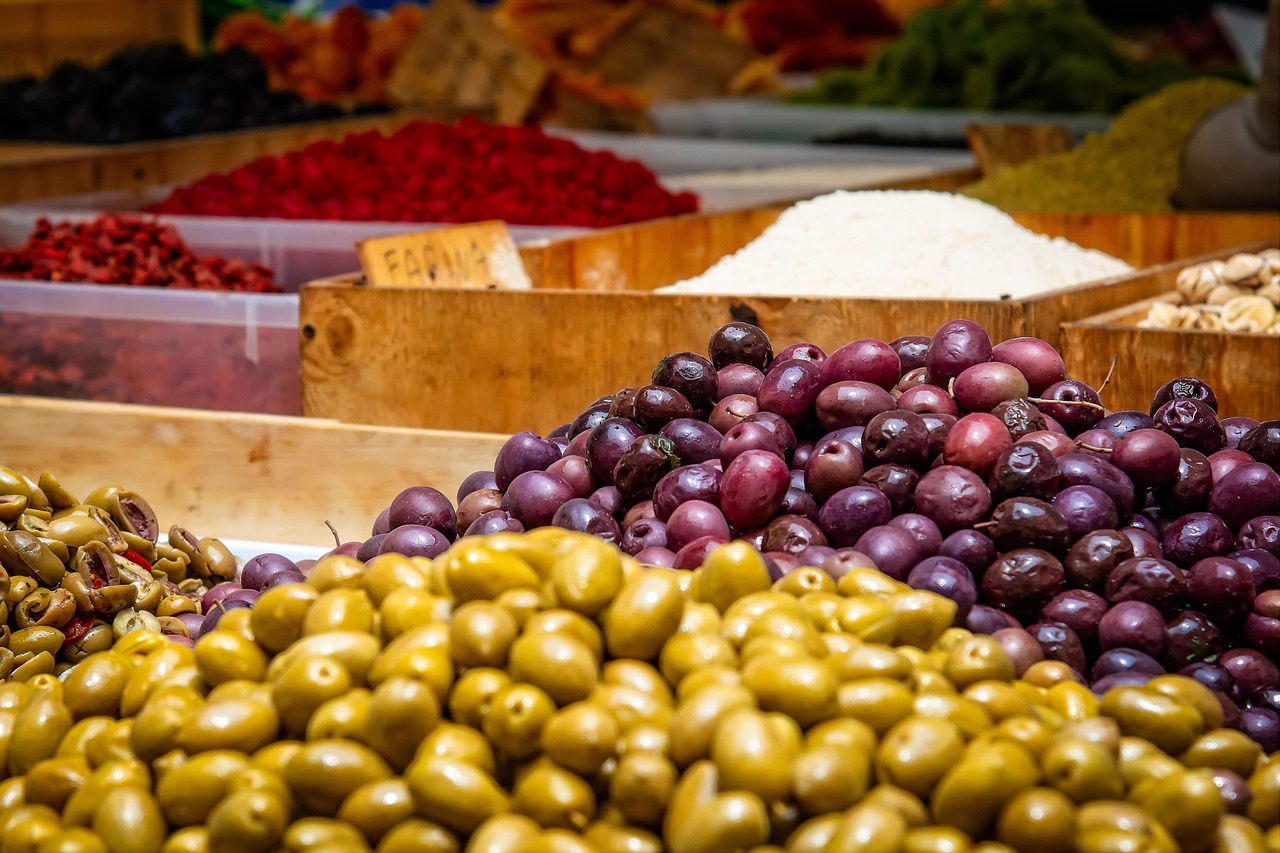
Through the year, farmers' and produce markets brim with the region's agricultural bounty. Autumn brings pomegranates, figs, grapes, fresh walnuts and the year's olive and oil pressing; spring fills the stalls with wild herbs, greens, almonds and the first stone fruit; and honey, dairy, nuts, pickles and dried fruits are available the year round. Buying directly from the growers who carried their produce down from mountain villages is both a pleasure and a way to taste the region at its freshest.
What you'll find
- →Spices, herbs, teas and freshly roasted coffee
- →Fresh and dried fruits, nuts, fruit leathers and sweets
- →Cheeses, honey, yoghurt, grape molasses (dûshaw) and other dairy and preserves
- →Copperware, carpets, textiles, prayer beads and crafts
- →Everyday household goods, gold jewellery and traditional clothing
Markets reward slow wandering, a little good-natured haggling, and an open, friendly curiosity. Build in more time than you think you need.
History & significance
Trade at the crossroads
The Kurdistan Region sits on ancient trade routes that once connected Anatolia, Persia and Mesopotamia, and its bazaars reflect centuries of commerce in goods, ideas and people. Erbil's Citadel — rising on its great mound above the modern city — is among the oldest continuously inhabited sites anywhere in the world, and the Qaysari Bazaar at its base continues a tradition of trade that stretches back through countless generations. To walk its lanes is to follow footsteps worn smooth over a very long span of human history.
The social marketplace
Beyond buying and selling, bazaars have always been social spaces as much as commercial ones — places to meet friends, drink tea, exchange news, settle disputes and conduct the slow business of community life. A transaction here is rarely just a transaction; it is wrapped in greetings, conversation and the offer of hospitality. That social character endures strongly today, and it is precisely what makes a visit feel less like sightseeing and more like being briefly welcomed into the everyday life of the city.
Seasonal cycles
Produce markets follow the agricultural calendar of the surrounding plains and mountains, so what fills the stalls changes dramatically through the year. The same market can feel like a different place in March and in October. Visiting at different seasons reveals different sides of the region's food culture, from the green abundance of spring to the rich, preserved harvest of autumn. Where formal seasonal markets and harvest fairs are organised by local cooperatives or municipalities, their timing shifts year to year and is subject to change — verify with the organiser before travel.
Highlights
Visitor information
When to go
Mornings are liveliest and freshest at produce markets, when the best of the day's stock is on display and cooks are out shopping; by mid-afternoon the choicest items may be gone. Covered bazaars, by contrast, are pleasant to wander throughout the day and offer welcome shade in summer and shelter in winter. Markets are generally quieter on Fridays, the main day of rest, when some stalls open late or stay closed, so plan a Friday visit for a calmer atmosphere or choose another day for the full bustle.
What to bring and wear
- →Small-denomination cash, as many stalls are cash-only
- →Comfortable, closed shoes for uneven stone and cobbled lanes
- →A reusable bag for any produce, spices or crafts you buy
- →Modest, comfortable clothing; lightweight layers in summer and a warm layer in winter
- →A little patience and an open, friendly manner — it goes a long way
Tips
- →Carry small cash; many stalls don't take cards and change for large notes can be scarce
- →Gentle haggling is expected at craft, carpet and souvenir stalls, though everyday produce is usually fixed-price and fair
- →Sampling is common — accept the offer of fruit, a sweet or a sliver of cheese; it's part of the welcome
- →Take time for tea; sitting in a bazaar tea house is part of the experience, not a distraction from it
- →Photograph people only after asking; most are happy to oblige, and a smile and a few words first make all the difference
Accessibility and nearby attractions
Covered bazaars can have narrow, uneven and occasionally stepped lanes that are challenging for wheelchairs and pushchairs, while open produce markets are generally flatter. In Erbil the bazaar sits directly beneath the Citadel, so a market morning pairs perfectly with a walk up to the historic mound, a visit to its small museums, and a coffee on the surrounding café-lined streets — an easy, rewarding half-day on foot.
How to get there
Erbil's Qaysari Bazaar sits directly below the Citadel in the heart of the city centre, easily reached on foot from most central hotels or by a short, inexpensive taxi or ride-hailing trip. Erbil International Airport (EBL) is the main gateway and lies a short drive from the centre, making the bazaar one of the first things many visitors can comfortably do on arrival.
Other notable markets fill the centres of Sulaymaniyah and Duhok, both reachable by road and frequent shared taxi from Erbil — roughly three to three and a half hours to Sulaymaniyah and around two and a half hours to Duhok, through scenic countryside. Within each city, the main markets are central and walkable, so once you arrive you rarely need transport to reach them. For seasonal produce markets and harvest fairs, which move around and run on local schedules, ask your hotel or local contacts for current timing and venues, and treat any dates you find as subject to change — verify with the organiser before travel.
Practical information
Best hotels nearby
Erbil Citadel-area hotels
Erbil
Stay within walking distance of the Qaysari Bazaar and the historic city centre.
Sulaymaniyah central hotels
Sulaymaniyah
Close to the city's lively central bazaar and café district.
Duhok city hotels
Duhok
Convenient for the northern city's markets and onward mountain trips.
Plan your visit
Frequently asked questions
What is the Qaysari Bazaar?+
When is the best time to visit markets?+
Should I haggle?+
Do markets take card payments?+
Are there markets outside Erbil?+
VisitKurdistan.com is an independent travel guide and is not affiliated with any government tourism authority. Event details are subject to change — always verify with the organiser before travel.