The Culinary Scene
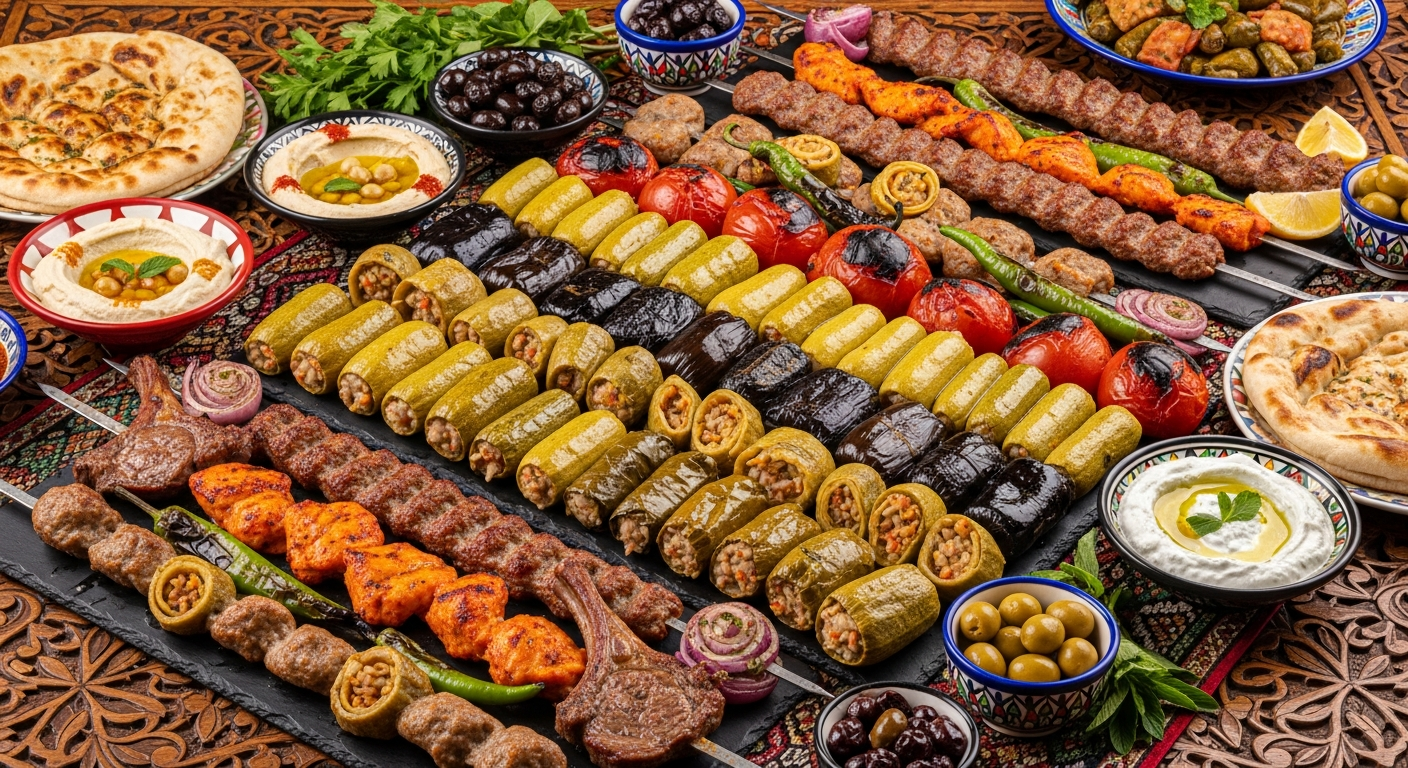
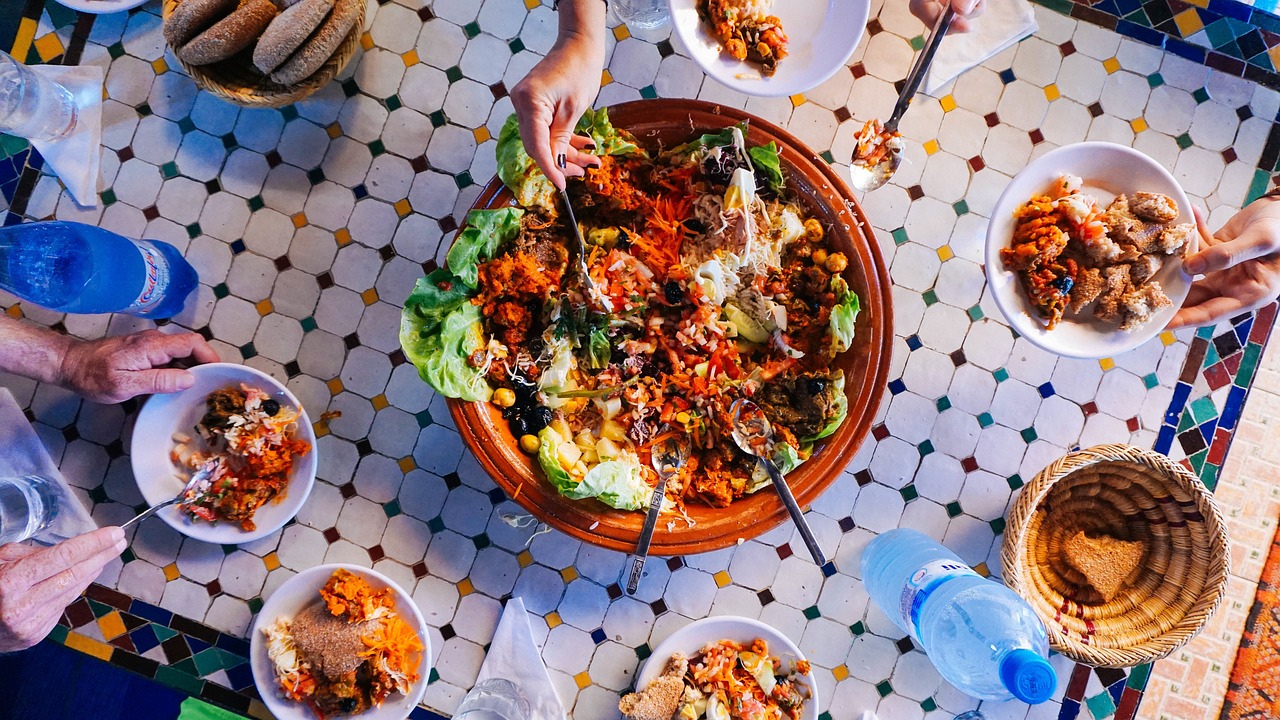
Kurdish cooking is hearty, generous and built for sharing. It draws on lamb and chicken, mountains of rice, fresh herbs, seasonal vegetables, yoghurt and warm spices, and leans heavily on slow cooking that lets flavours deepen over time. Meals are rarely a single plate — expect the table to fill up with grilled meats, rice, stews, salads, pickles, fresh bread and bowls of yoghurt, all laid out at once for everyone to reach across and share.
The cuisine carries echoes of its neighbours — you will recognise touches shared with Turkish, Persian and wider Iraqi cooking — but it has a character all its own, shaped by mountain villages, long winters and the rhythm of the seasons. Eating here is as much a social ritual as a meal.
Dishes to Seek Out
You will not go hungry. These are the dishes that turn up again and again — on family tables, in restaurants and at every celebration.
Dolma(Yaprax)
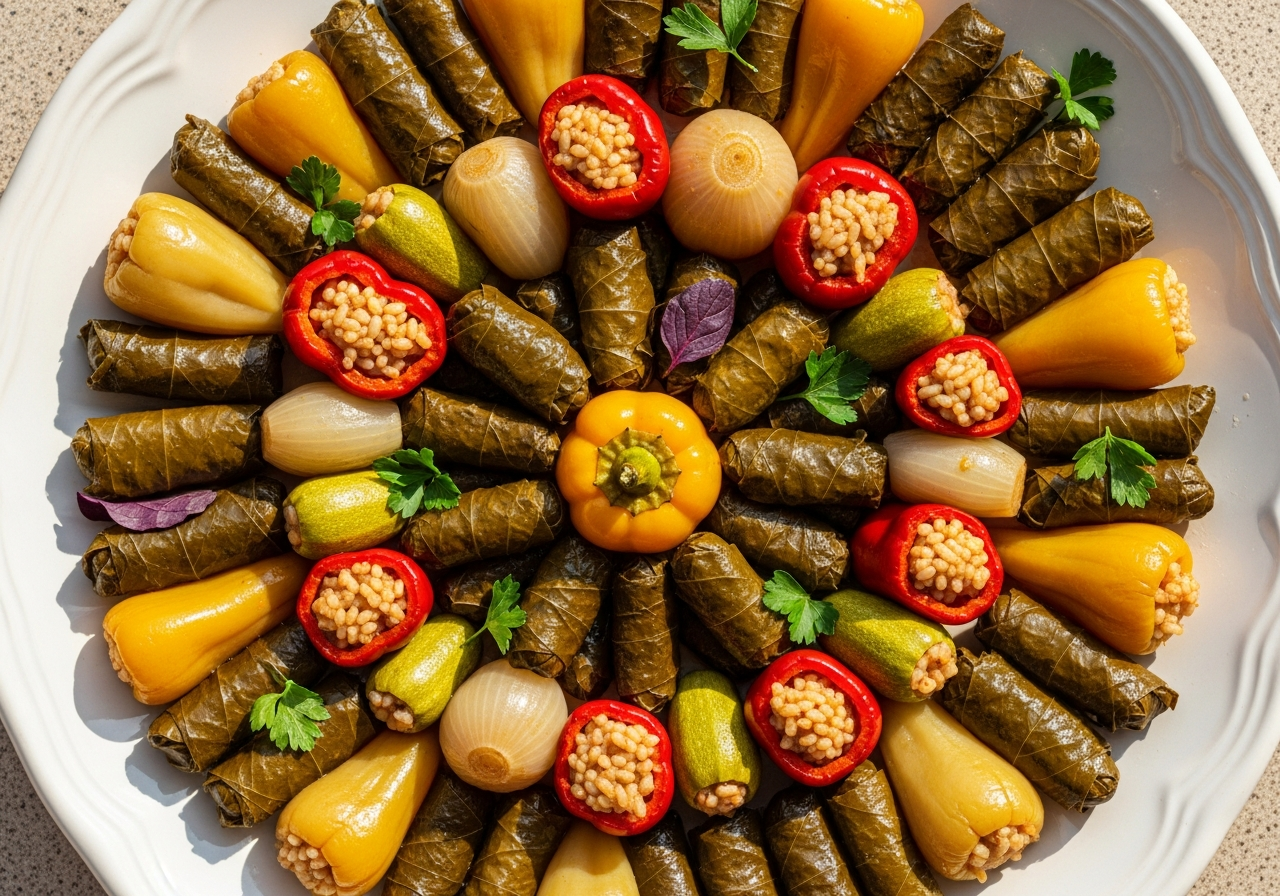
The centrepiece of any celebration. Vine leaves, onions, peppers, aubergines and courgettes are stuffed with spiced rice (often with minced lamb) and simmered slowly in a tangy, garlicky broth until meltingly tender. It is typically cooked in a single large pot and turned out onto a platter to share.
Kebab & Tikka
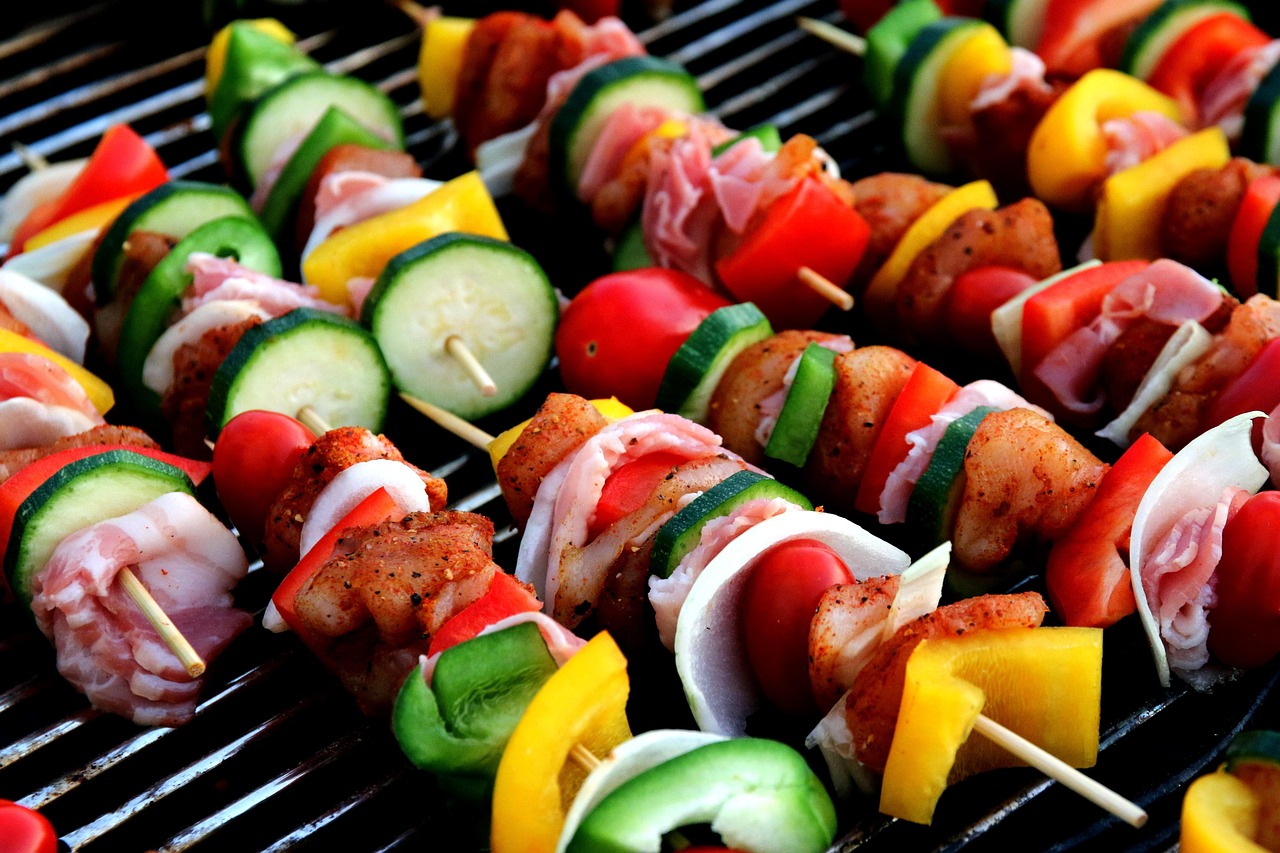
Charcoal-grilled skewers are everywhere, from city restaurants to roadside grills. Kebab is seasoned minced lamb, while tikka is marinated chunks of lamb or chicken. Both arrive sizzling, wrapped in fresh flatbread with grilled tomatoes, onions, parsley and a squeeze of sumac.
Biryani
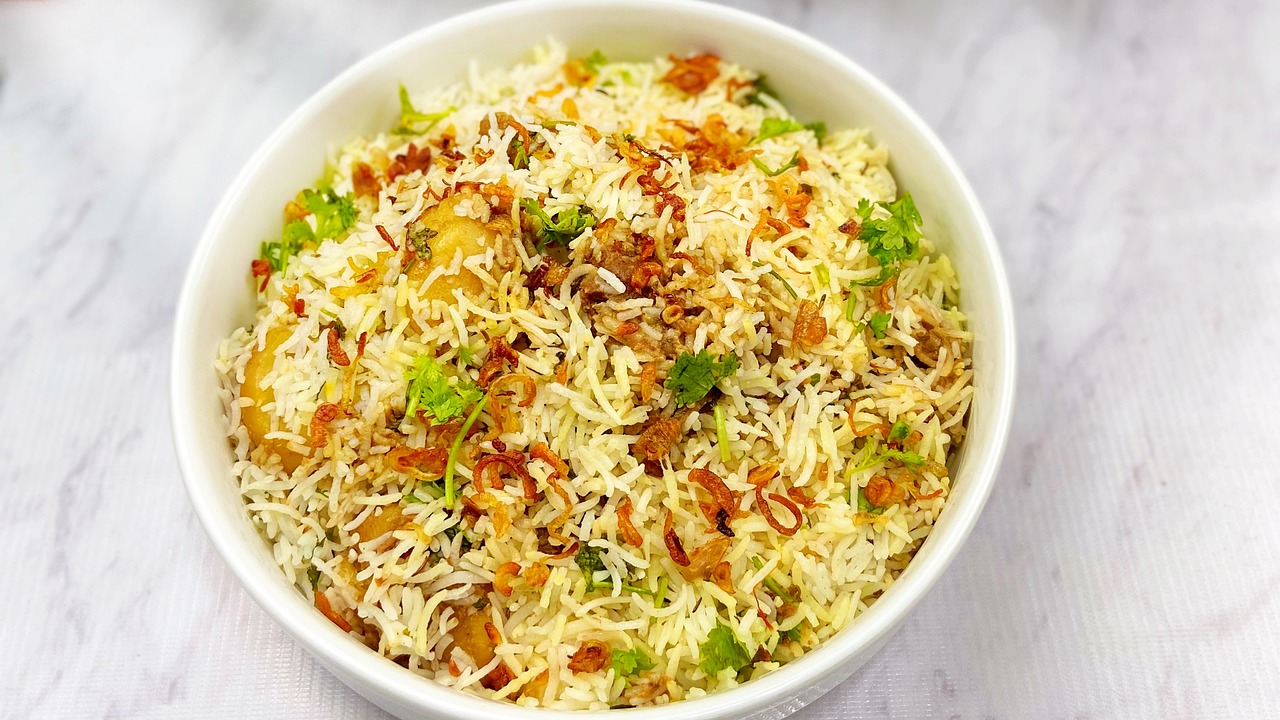
A fragrant, festive rice dish layered with tender meat, fried onions, raisins, almonds and warm spices. It is the dish brought out for weddings, holidays and honoured guests, and every family has its own version.
Klecha
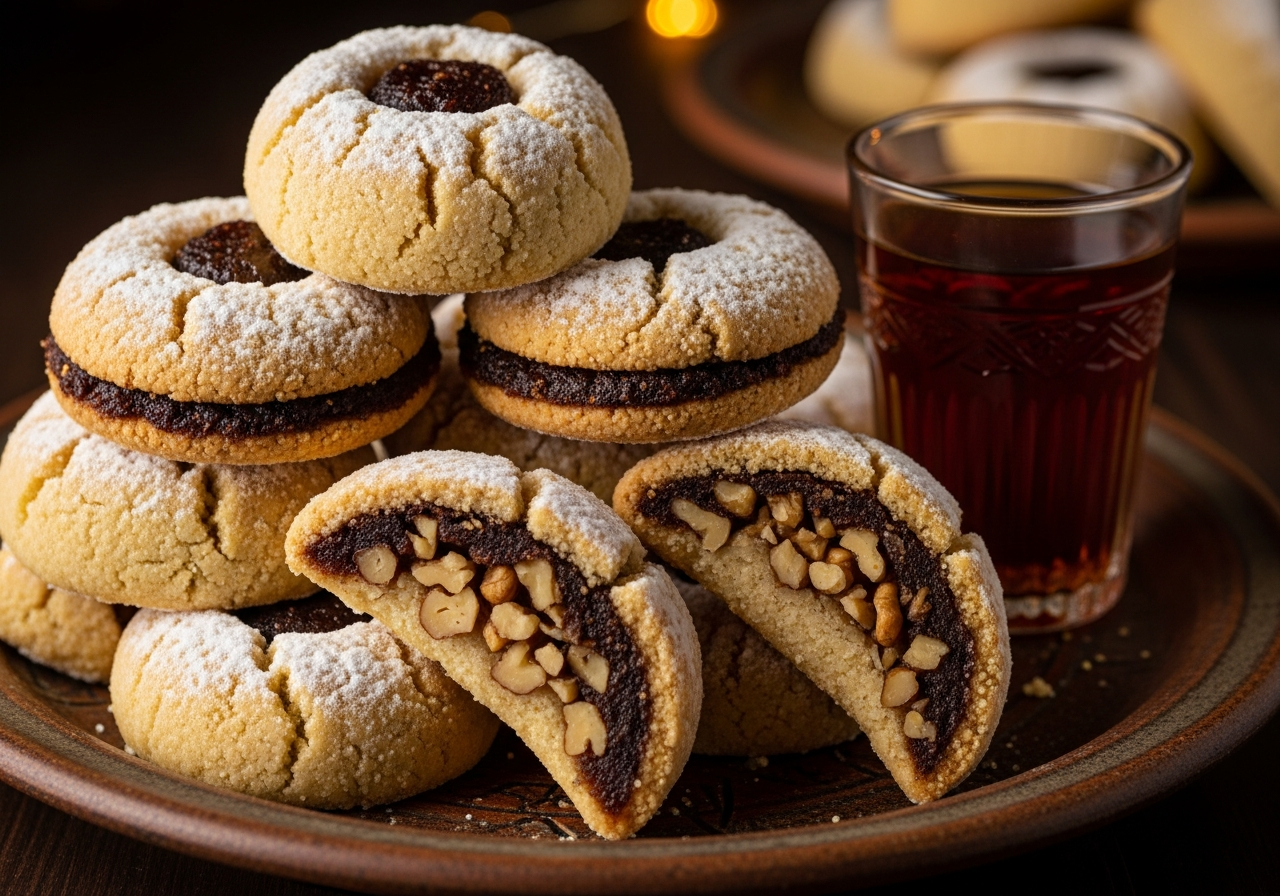
The beloved holiday cookie, baked in huge batches before Newroz and Eid. Buttery semolina pastry is filled with sweet date paste or crushed walnuts, sometimes scented with cardamom, and served alongside endless cups of tea.
Also worth ordering
- Kubba — shells of bulgur or rice stuffed with spiced minced meat, either fried or simmered in soup. The flat Mosul-style version is a regional favourite.
- Quzi — slow-roasted lamb served over spiced rice with nuts, a dish reserved for feasts and big gatherings.
- Mast u Khiyar — a cooling yoghurt and cucumber dip with mint that cuts through the richness of grilled meats.
- Doogh — a salty, refreshing chilled yoghurt drink, often served alongside kebabs.
Tea Culture (Chai)
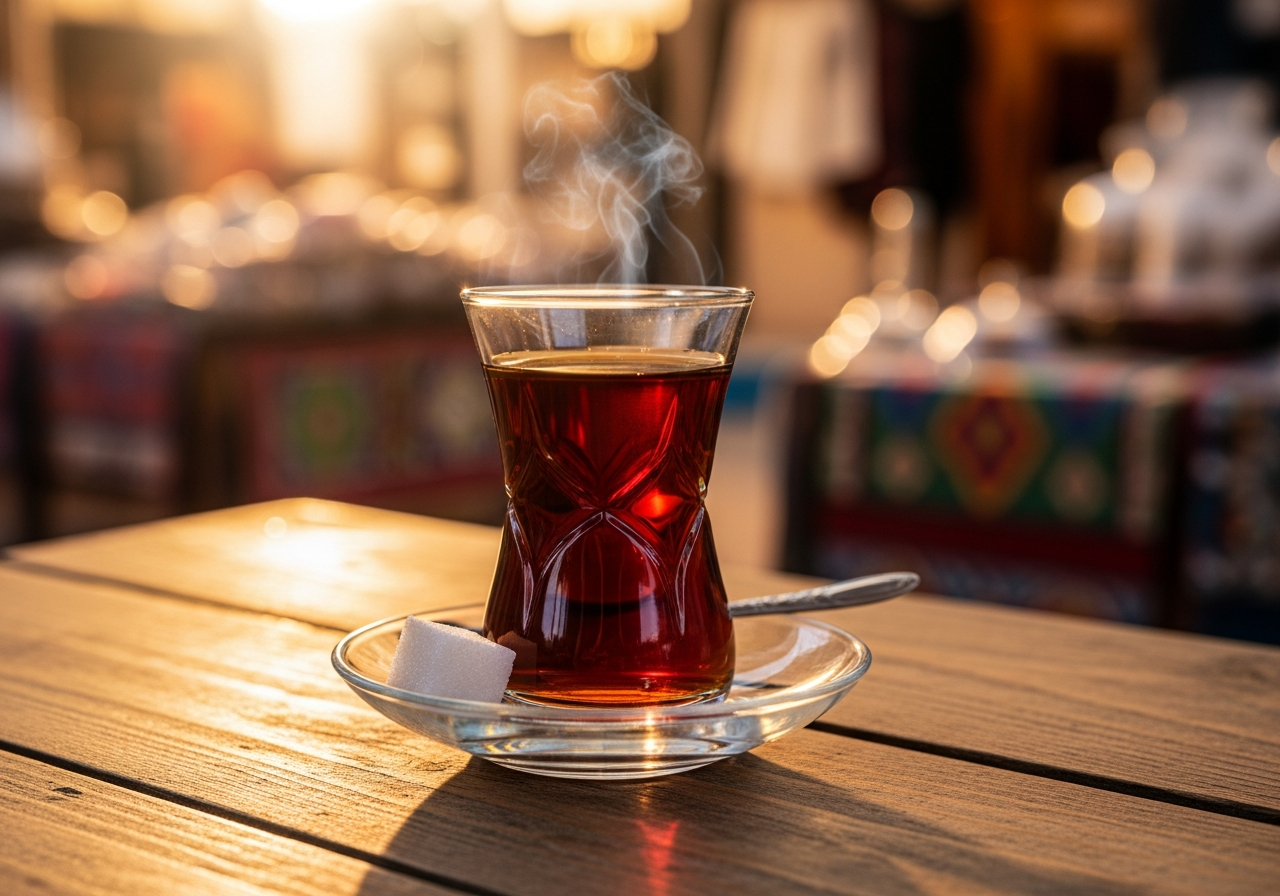
Tea is the heartbeat of social life. Strong black tea is served scalding hot and sweet in small, tulip-shaped glasses called istikan, usually with a sugar cube on the saucer. You will be offered it constantly — in bazaars, at the end of meals, while shopping, and the moment you step into someone's home. Tea houses, often full of older men playing dominoes and backgammon, are an institution worth stepping into. Accepting a glass is a small but meaningful gesture of friendship.
Bread, Spice & the Bazaar
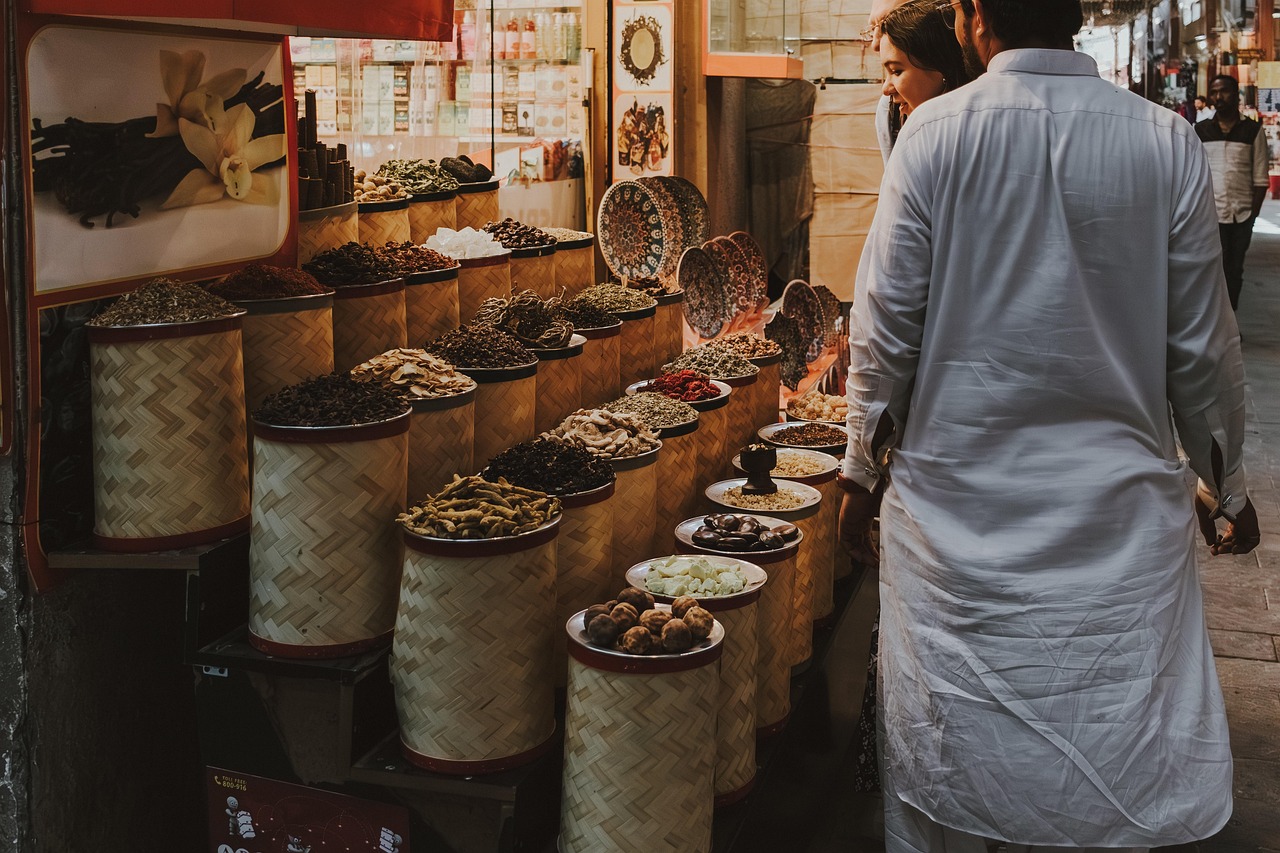
No meal is complete without bread. Flatbreads such as nan and the soft, diamond-shaped samoon are baked fresh throughout the day and used to scoop, wrap and share everything on the table. To understand the flavours, spend an hour in a covered bazaar: stalls overflow with sumac, dried limes, saffron, cardamom and mountains of nuts, dates and dried fruit. The bazaars of Erbil and Sulaymaniyah are sensory experiences in themselves, and a wonderful place to buy edible souvenirs.
The Art of Hospitality
Hospitality here is not a courtesy — it is a point of pride. There is a widely shared sentiment that a guest is a gift, and visitors often find themselves invited for tea or a meal by people they have only just met. These invitations are genuine. Hosts will keep refilling your plate and may insist you take more long after you are full; a polite hand over the heart and warm thanks is the gracious way to slow things down. For many independent travellers, an unexpected meal with a local family becomes the most memorable part of the whole trip.
Traditions & Festivals
Newroz — the New Year
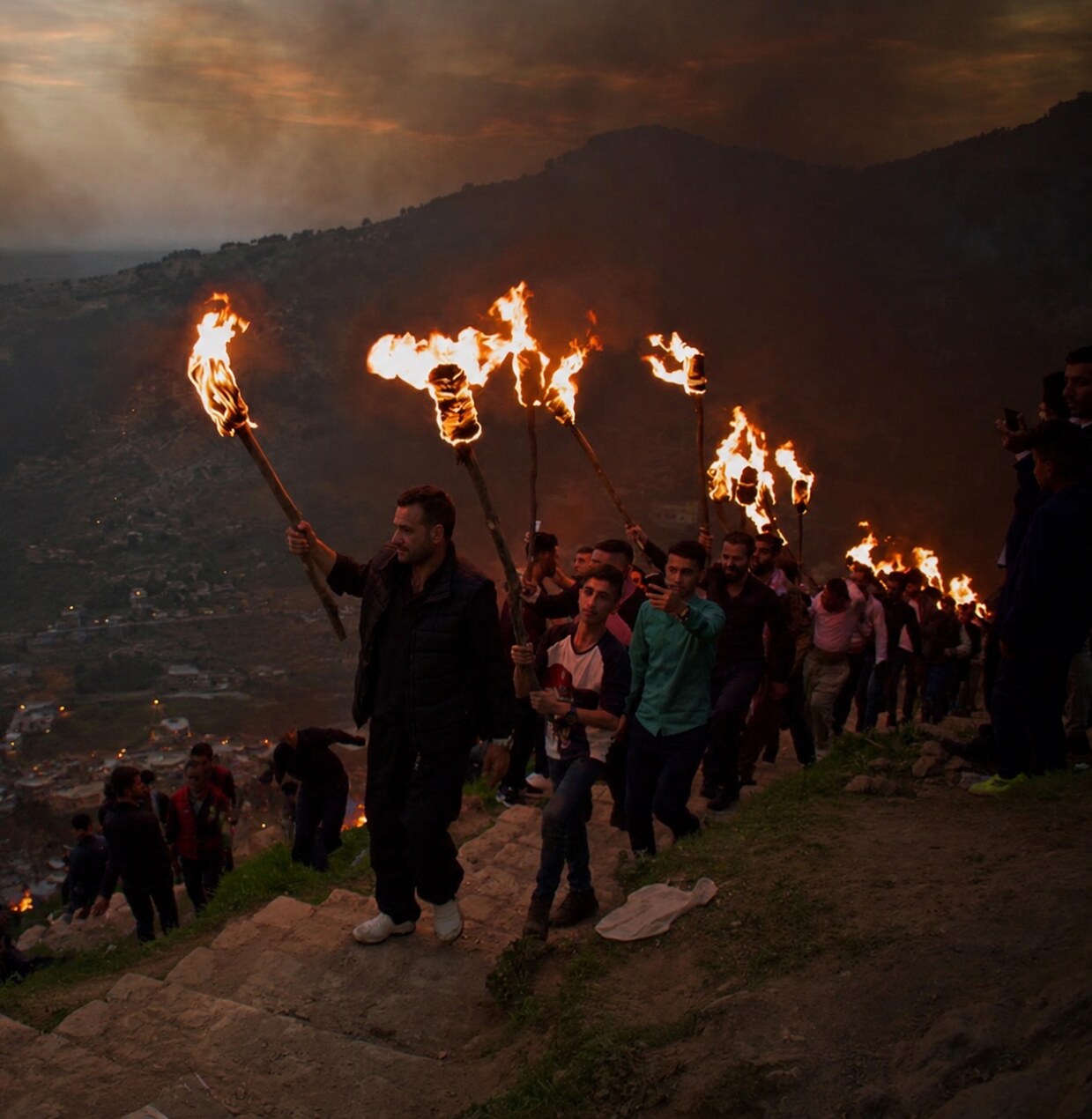
Newroz, celebrated on 21 March, marks the arrival of spring and is the most important festival of the year. Families head into the countryside for picnics, cities fill with music, and at nightfall bonfires and torches are lit on the hillsides — a tradition tied to ancient stories of liberation and renewal. People dress in vibrant traditional clothing and dance together late into the evening. If you can time your visit for late March, do.
Dress, Music & Dance
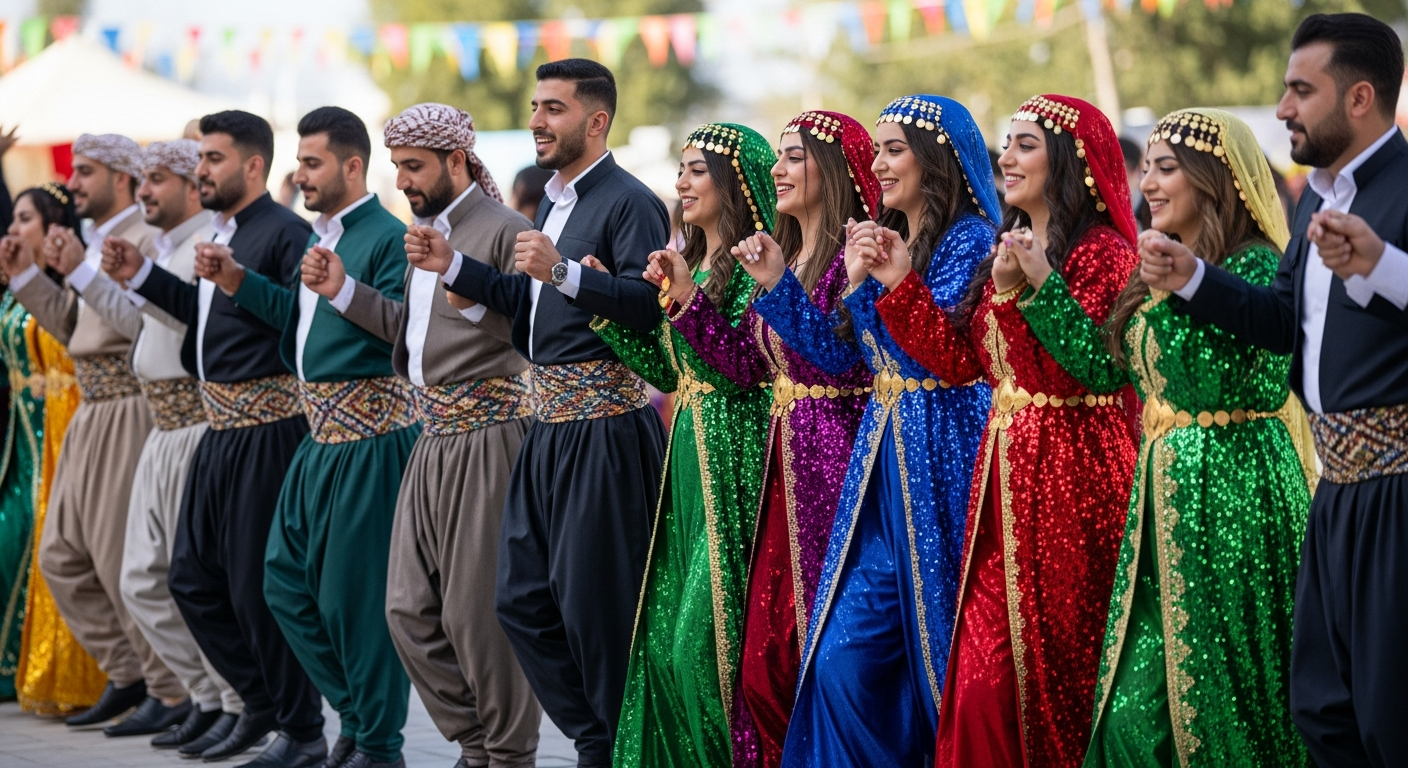
Traditional clothing is worn with pride at Newroz, weddings and festivals: men in baggy trousers with a wide cummerbund, women in long, shimmering, brightly coloured dresses. Celebrations are driven by the powerful pairing of the dahol (a large drum) and zurna (a reedy horn), which set the rhythm for the Halparke — a communal line dance where everyone links hands and moves together. You do not need to know the steps; you will be pulled in and welcomed.
Plan ahead: dates, programmes and locations for festivals and public events can change from year to year. Confirm timings and any travel arrangements close to your trip before relying on them.
A Few Notes for Guests
- Accept tea when it is offered — it is a friendly gesture, and turning it down can feel like turning down the welcome.
- Meals are shared from communal dishes. Follow your host's lead, and use bread to scoop where that is the custom.
- Hosts are generous to a fault. If you are genuinely full, a warm thank-you with a hand over the heart is understood.
- Dress is relatively relaxed in the cities, but modest clothing is appreciated at religious sites and in smaller towns and villages.