Traditional Music Festivals
The tembûr, the duduk and the soul of Kurdish song
Date
Autumn 2026
Time
Evening performances
Location
Sulaymaniyah and other cultural venues
Dates need organiser confirmation
This is an editorial listing based on seasonal or recurring information; no current organiser verification is recorded. Event programmes, venues and times can change — check before making travel plans.
Overview
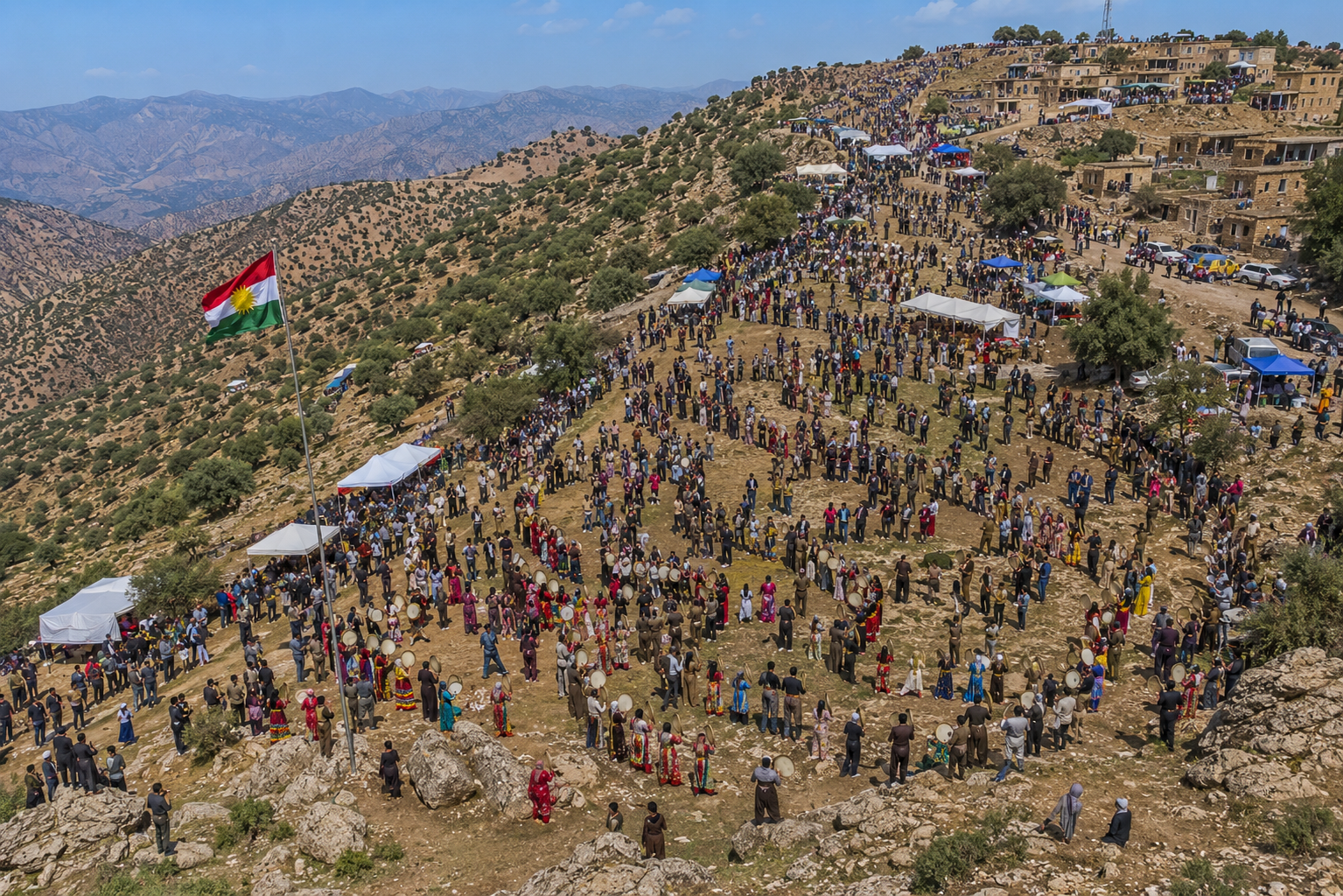
Music runs deep in Kurdish culture, and traditional music festivals across the Kurdistan Region of Iraq — with Sulaymaniyah as a frequent focal point — celebrate that heritage with performances, workshops and gatherings that welcome visitors. For travellers who want to understand the emotional core of Kurdish life, an evening of live music is among the most direct routes in. Melodies that sound melancholy to a newcomer often carry deep wells of longing, pride and humour that locals around you will recognise instantly, and the communal way audiences respond — clapping, singing along, sometimes rising to dance — turns a concert into a shared experience rather than a passive one.
These festivals are not slick international productions; they are rooted gatherings where master players, singers and a new generation of musicians meet. That makes them unpredictable and genuine, and all the more rewarding for it.
The instruments
Kurdish traditional music has a distinctive palette:
- →Tembûr — a long-necked lute central to sacred and folk music, its drone-like strings giving a hypnotic, meditative quality
- →Duduk / bilûr — haunting wind instruments with a soulful, reedy tone that seems to echo the open mountains
- →Daf and dahol — frame and barrel drums that drive dance rhythms and lift the energy of a gathering
- →Zurna — a piercing double-reed horn, often paired with the dahol, heard at weddings and celebrations
The voice
Equally important is the voice. From the narrative songs of the *dengbêj* to lyrical love songs and stirring anthems, Kurdish vocal music carries emotion and memory in a way that transcends language for any listener. Solo unaccompanied singing — a voice alone in a hushed hall — is one of the most affecting things you can witness, and it remains central to the tradition even as ensembles and modern arrangements grow.
What an evening looks like
A typical festival evening might open with a solo or small-ensemble set, build through folk pieces that get the audience clapping, and culminate in livelier numbers where people leave their seats to dance the *halparke*. Sets are often long and intervals informal; tea and conversation are part of the experience.
Why Sulaymaniyah
Sulaymaniyah has long been the cultural and intellectual heart of the Kurdistan Region, with a lively scene of musicians, poets, writers and artists, and a reputation for valuing the arts. Autumn — with its mild weather and active cultural calendar — is an ideal time to catch live performances, though music surfaces year-round at festivals, weddings and in the city's many cafés. Because programmes and dates change, treat any listed timing as subject to change — verify with the organiser before travel.
History & significance
A heritage carried in song
For much of Kurdish history, music and oral tradition were the primary vehicles for preserving language, story, and identity, especially during periods when written and broadcast Kurdish was restricted. Songs recorded battles, love, exile and homeland, sustaining a sense of shared culture across mountains and borders and binding communities separated by distance and circumstance. To learn a song was, in a real sense, to inherit a piece of collective memory.
Classical and folk strands
Kurdish music spans sacred traditions associated with the tembûr, regional folk styles tied closely to specific dances and valleys, and a body of classical and semi-classical song with sophisticated melodic systems. Master musicians have historically trained apprentices directly, often within families, keeping repertoires, ornamentation and techniques alive through oral transmission rather than written notation.
Sulaymaniyah's musical reputation
Sulaymaniyah in particular nurtured generations of celebrated singers and composers, and the city's cafés, schools and cultural societies have long been incubators for new talent. This deep bench of musicianship is one reason the city remains a natural home for traditional music events.
Festivals today
Modern music festivals in the Kurdistan Region bring these strands together on shared stages, often pairing veteran performers with younger artists and blending deep-rooted tradition with contemporary arrangements and instruments. Cultural centres and conservatories increasingly document recordings and teach the old repertoires, ensuring the music is studied as well as performed. For visitors, all of this offers rare, concentrated access to a living musical culture rather than a fossilised one.
Highlights
Visitor information
Finding performances
Dates and venues vary, so check locally, ask your hotel, or follow Sulaymaniyah's cultural centres, theatres and arts pages on social media. Performances are often held in theatres, cultural halls, university auditoriums and outdoor venues in the cooler evening hours. Some are free or low-cost; others sell tickets at the door. Building a flexible evening or two into your itinerary is the surest way to catch whatever is on while you are in the city.
What to wear and expect
Smart-casual, modest clothing is appropriate for indoor concerts; bring a light layer for autumn evenings, which cool quickly. Audiences are generally relaxed and warm, and it is normal for people to respond audibly to favourite passages. Photography is often tolerated, but keep it discreet and switch off flash, and ask before filming performers up close.
Accessibility
Modern theatres and halls in Sulaymaniyah are generally accessible, but smaller or older venues may have steps and limited facilities. If you have specific needs, ask your hotel to call ahead and confirm.
Tips for enjoying the music
- →Arrive a little early for the best seats at popular performances, which can sell out
- →You don't need to understand the lyrics — the emotion of the singing and playing carries on its own
- →Some events include workshops or talks where you can learn about, or even try, the instruments
- →Carry small cash for tickets, refreshments and taxis
- →Pair an evening concert with Sulaymaniyah's famously lively café scene, where informal music sometimes continues late into the night
How to get there
Sulaymaniyah International Airport (ISU) connects the city to a number of regional hubs, and the city centre is a short, inexpensive taxi ride from the airport. Confirm current visa-on-arrival rules for the Kurdistan Region before you travel, as entry requirements can change.
By road, Sulaymaniyah is roughly 3–3.5 hours from Erbil via good highways, with frequent shared taxis (known locally as *garage* taxis) running between the two cities, as well as private-car options. The drive crosses scenic hill country and is a pleasant journey in its own right. From within Sulaymaniyah, venues are easily reached by taxi or ride-hailing apps, which are cheap and widely used.
If a particular festival is held elsewhere in the region — in Erbil, Halabja, Duhok or a smaller town — confirm the venue and date locally and arrange transport a day in advance, as evening performances may finish after public transport has wound down. Hiring a car and driver for the night removes the worry of getting back to your hotel after a late concert.
Practical information
Best hotels nearby
Sulaymaniyah city hotels
Sulaymaniyah
Comfortable city-centre hotels close to theatres, cultural halls and the café district.
Boutique stays, Salim Street area
Sulaymaniyah
Smaller hotels near the lively heart of the city, ideal for evening performances.
Erbil hotels
Erbil
An alternative base if you are combining a music trip with the regional capital.
Plan your visit
Frequently asked questions
What instruments feature in Kurdish traditional music?+
Where are music festivals usually held?+
When is the best time to catch live performances?+
Do I need to understand Kurdish to enjoy it?+
How do I find current dates and venues?+
VisitKurdistan.com is an independent travel guide and is not affiliated with any government tourism authority. Event details are subject to change — always verify with the organiser before travel.