Newroz Festival
Kurdish New Year — fire, dancing, and the arrival of spring
Date
21 March 2026
Time
Bonfires from dusk on 20 March; celebrations all day 21 March
Location
Across the Kurdistan Region
Overview
Newroz (also written Nowruz, meaning "New Day") is the single most significant celebration in Kurdish culture. Observed every year on 21 March — the spring equinox — it marks the Kurdish New Year and the arrival of spring after the long mountain winter. For travellers, timing a visit to coincide with Newroz means witnessing the Kurdistan Region of Iraq at its most joyful, expressive, and welcoming. It is the one day of the year when the whole society seems to step outdoors at once, and the sense of collective release after winter is palpable in every park, hillside and village square.
If you only have time to attend one event in the Kurdistan Region, this is the one most likely to stay with you for years. It is not a performance staged for tourists; it is a genuine national homecoming in which visitors happen to be welcome, and that authenticity is exactly what makes it so memorable.
The night before: bonfires
The evening of 20 March sees bonfires lit on hilltops and open ground across every city, town, and village. Families and communities gather to dance the traditional Kurdish *halparke* circle dance around the flames, often to the steady pulse of the *dahol* drum and the piercing call of the *zurna* horn. The symbolism is ancient: fire represents the victory of light over darkness and spring over winter. In towns like Akre, the spectacle is breathtaking, with the entire ridgeline ringed in firelight as torchbearers climb the cliffs after dusk. Many families also leap over smaller fires, a playful gesture said to leave the troubles of the old year behind.
21 March: the celebration
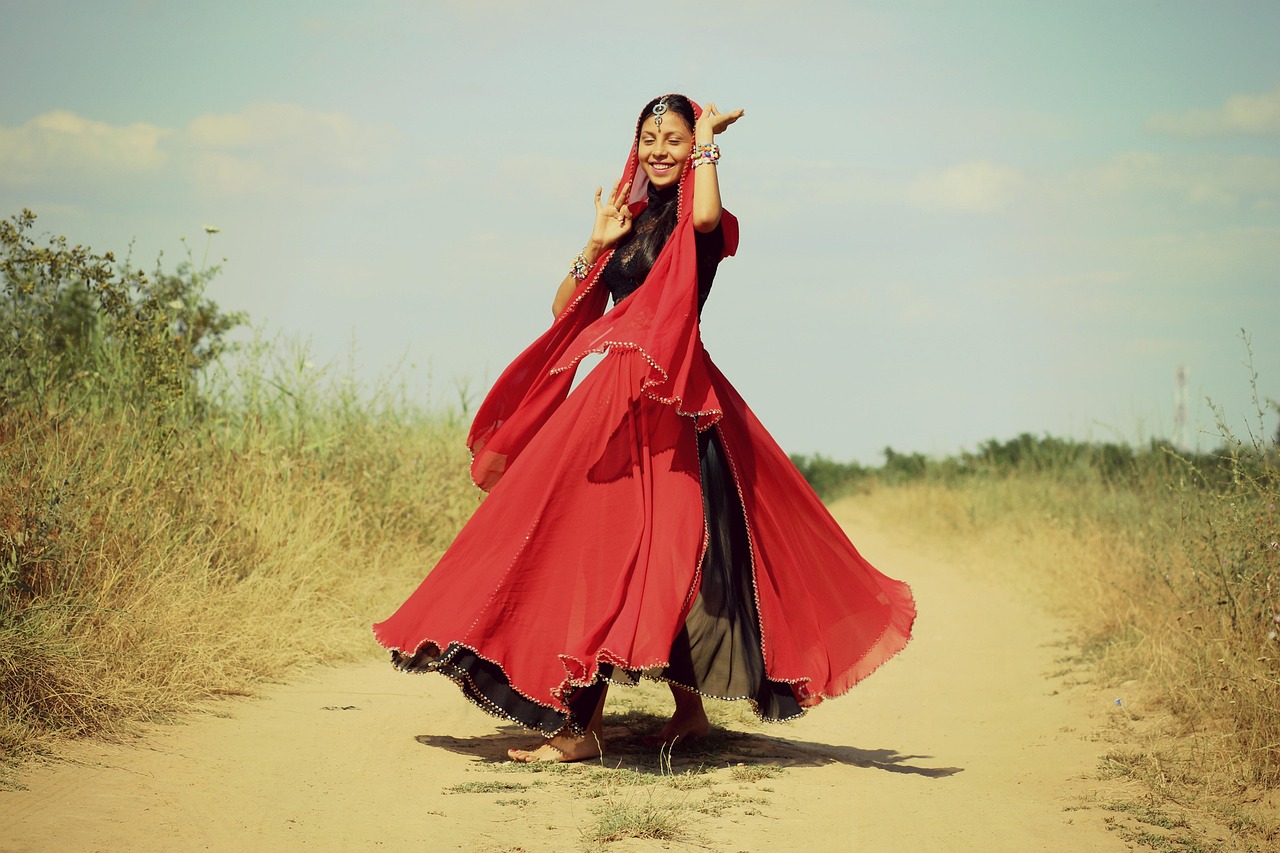
On the day itself, people dress in traditional Kurdish clothing — women in bright embroidered dresses heavy with sequins and coins, men in the traditional *shal u shapik* with a wide cummerbund — and gather in parks, open fields, and city squares for music, dancing, and communal meals. Many families drive out of the cities entirely to picnic in the greening foothills, where spring wildflowers carpet the slopes for only a few short weeks. Expect grilled meats, rice dishes, dolma, fresh herbs, flatbread and sweet pastries shared generously, along with endless glasses of sweet black tea poured from a flask.
Where to celebrate
Every city holds celebrations, but some are particularly memorable:
- →Erbil — one of the largest gatherings in the region, centred on parks and open ground near the Citadel, with families streaming out to Sami Abdulrahman Park and the surrounding hills
- →Akre — widely considered the most dramatic Newroz in the Kurdistan Region thanks to its clifftop bonfires
- →Sulaymaniyah — the most culturally rich celebration, woven through with music, poetry and a strong sense of Kurdish literary heritage
- →Shaqlawa, Rawanduz and the mountain towns — atmospheric settings amid spring greenery and snow-fed waterfalls
A simple plan for the two days
A rewarding approach is to spend the evening of 20 March near a hillside or town known for its fires — Akre if you can, or the edges of whichever city you are in — then spend 21 March picnicking and dancing with the daytime crowds. Pace yourself: the day is long, the food is plentiful, and the dancing can continue well past sunset. Travellers who attend will almost certainly be invited to join local celebrations — accept warmly; hospitality is central to the day, and turning down an offer of tea or a place in the dance line is the only real way to cause offence.
History & significance
Ancient roots
Newroz is one of the oldest continuously celebrated festivals on earth, with origins reaching back thousands of years into the Zoroastrian traditions of the wider region. It is celebrated by many peoples — Kurds, Persians, Afghans, Azerbaijanis and others — each with their own customs, but for Kurds it carries a distinct and powerful additional meaning that goes well beyond the turning of the seasons.
A symbol of identity
For the Kurdish people, Newroz is woven into the popular legend of Kawa the Blacksmith. The story tells of a cruel tyrant named Zuhak, whose reign brought darkness and suffering, and of Kawa, an ordinary craftsman who rose up, defeated him, and lit a fire on the mountainside to signal that the people were free. Over generations this legend has made Newroz not only a seasonal new year but a celebration of resilience, identity, and cultural survival. The lighting of the Newroz fire echoes that act of defiance and renewal, which is why the flames carry such emotional weight rather than being mere decoration.
A festival that endured
Through long periods when Kurdish language and culture were discouraged or suppressed, Newroz remained a quiet act of cultural continuity, often celebrated in defiance of restrictions. That history gives the modern festival a depth of feeling that visitors often sense even without knowing the details — this is a celebration that people fought to keep.
Living tradition
Today in the Kurdistan Region of Iraq, Newroz is a public holiday and the high point of the cultural calendar. Schools, government offices, and most businesses close, and many families travel back to ancestral villages for the occasion. Far from being a museum piece, it is a vibrant living tradition passed enthusiastically to each new generation — and one of the most genuine cultural experiences a visitor can share.
Highlights
Visitor information
What to expect
Newroz is a communal, family-centred celebration rather than a ticketed event. There is no entry fee — you simply join the public gatherings in parks, squares, and open ground. The atmosphere is overwhelmingly friendly and visitors are warmly welcomed into circle dances and shared meals. As an independent traveller, the easiest way to find the heart of the action is to follow the crowds and the sound of drums; you do not need a guide, although a local friend or host will deepen the experience enormously.
What to wear
Casual clothing is perfectly fine, though many locals dress in colourful traditional Kurdish attire. Wearing traditional dress as a visitor is welcomed and appreciated, and shops in the bazaars sell affordable outfits in the weeks beforehand if you want to join in. Modest, comfortable clothing is a sensible default. Evenings in March can still be cold in the mountains, so bring a warm layer, and choose sturdy shoes if you plan to walk on hillsides or uneven ground near the bonfires.
Accessibility and families
Newroz is very family-friendly, and children are everywhere, but be aware that the most dramatic settings — hillsides, clifftops and crowded parks — can be uneven, dark after dusk and difficult for wheelchairs or strollers. If mobility is a concern, city-park celebrations on level ground are far easier than the famous clifftop fires.
Practical tips
- →Arrive early at major gathering spots; roads close and traffic is heavy by mid-afternoon
- →Bring a camera with good low-light performance for the evening bonfires, plus a spare battery, as cold drains power quickly
- →Carry small cash for food stalls and parking; card payment is rare at informal gatherings
- →Alcohol is generally not part of public Newroz celebrations, so keep your own consumption discreet and private
- →Photography of people is usually welcome, but always ask first as a courtesy, especially with women and elders
- →Note that exact public-holiday arrangements can shift slightly year to year and are subject to change — verify with your hotel or the organiser before travel
How to get there
Newroz happens everywhere in the Kurdistan Region, so you can experience it wherever you are based. The two main international gateways are Erbil International Airport (EBL) and Sulaymaniyah International Airport (ISU), both well connected to regional hubs. Many nationalities can obtain a visa on arrival for the Kurdistan Region, but rules change, so confirm the current entry requirements before you fly.
From Erbil, celebrations are within the city itself — taxis and ride-hailing apps are easy and cheap, though expect closures and gridlock near major gathering points from late afternoon. If you are heading to the hills around the city, leave well before dusk.
For Akre's famous clifftop bonfires, drive roughly 2.5 hours from Erbil or about 90 minutes from Duhok; arrive the day before to secure accommodation and a good vantage point, as the small town overflows on the night of the 20th.
From Sulaymaniyah, city-centre parks host large gatherings within easy reach by taxi, and many families head out toward the surrounding mountains for daytime picnics. Shared taxis (known locally as *garage* taxis) connect all the major cities if you want to combine destinations around the holiday, though they fill up and prices rise around the festival. Booking a private driver for the two key days removes a lot of stress and lets you chase the best fires and views on your own schedule.
Practical information
Best hotels nearby
Erbil city-centre hotels
Erbil
International-standard 4 and 5-star hotels near the Citadel put you within reach of the region's largest Newroz gatherings.
Duhok hotels
Duhok
A practical base for the famous Akre celebrations, about 90 minutes away by car.
Sulaymaniyah hotels
Sulaymaniyah
Good-value city hotels close to the parks that host Sulaymaniyah's culturally rich Newroz.
Plan your visit
Frequently asked questions
When is Newroz celebrated in the Kurdistan Region?+
Where is the best place to experience Newroz?+
Is Newroz suitable for tourists?+
Do I need to book anything in advance?+
What should I wear to Newroz?+
Related events
All events →VisitKurdistan.com is an independent travel guide and is not affiliated with any government tourism authority. Event details are subject to change — always verify with the organiser before travel.