Winter Adventure Events
Snowshoeing, winter hikes and cosy mountain-town escapes
Date
December 2026 – February 2027
Time
Daytime activities
Location
Amadiyah, Shaqlawa, Choman and the high Zagros
Dates need organiser confirmation
This is an editorial listing based on seasonal or recurring information; no current organiser verification is recorded. Event programmes, venues and times can change — check before making travel plans.
Overview
While Korek draws the crowds, winter across the Kurdistan Region of Iraq offers a wider range of cold-weather adventures for travellers who love mountains and quiet landscapes. From snow-blanketed historic towns to crisp high-country walks, the season has a special, uncrowded beauty that rewards those willing to wrap up warm and venture out. These are not fixed, ticketed events on set dates so much as a season's worth of experiences — the conditions and any organised activities depend on snowfall and are subject to change, so verify locally before travel.
Where winter shines
- →Amadiyah (Amêdî) — a dramatic mesa-top town perched on a flat-topped mountain that looks genuinely magical under a blanket of snow, its ancient gateways and minaret rising from the white
- →Shaqlawa — a popular mountain resort town an hour from Erbil, atmospheric and crisp in winter, with orchards and slopes all around
- →Choman and the high Zagros — deep snow country close to the region's highest peaks near the borders, the most serious winter terrain in the area
- →Rawanduz Gorge — spectacular in low winter light, with waterfalls that can freeze into curtains of ice during prolonged cold spells
- →Barzan and the Sapna valley — quieter highland country where snow lingers on the surrounding ridges well into the season
Activities
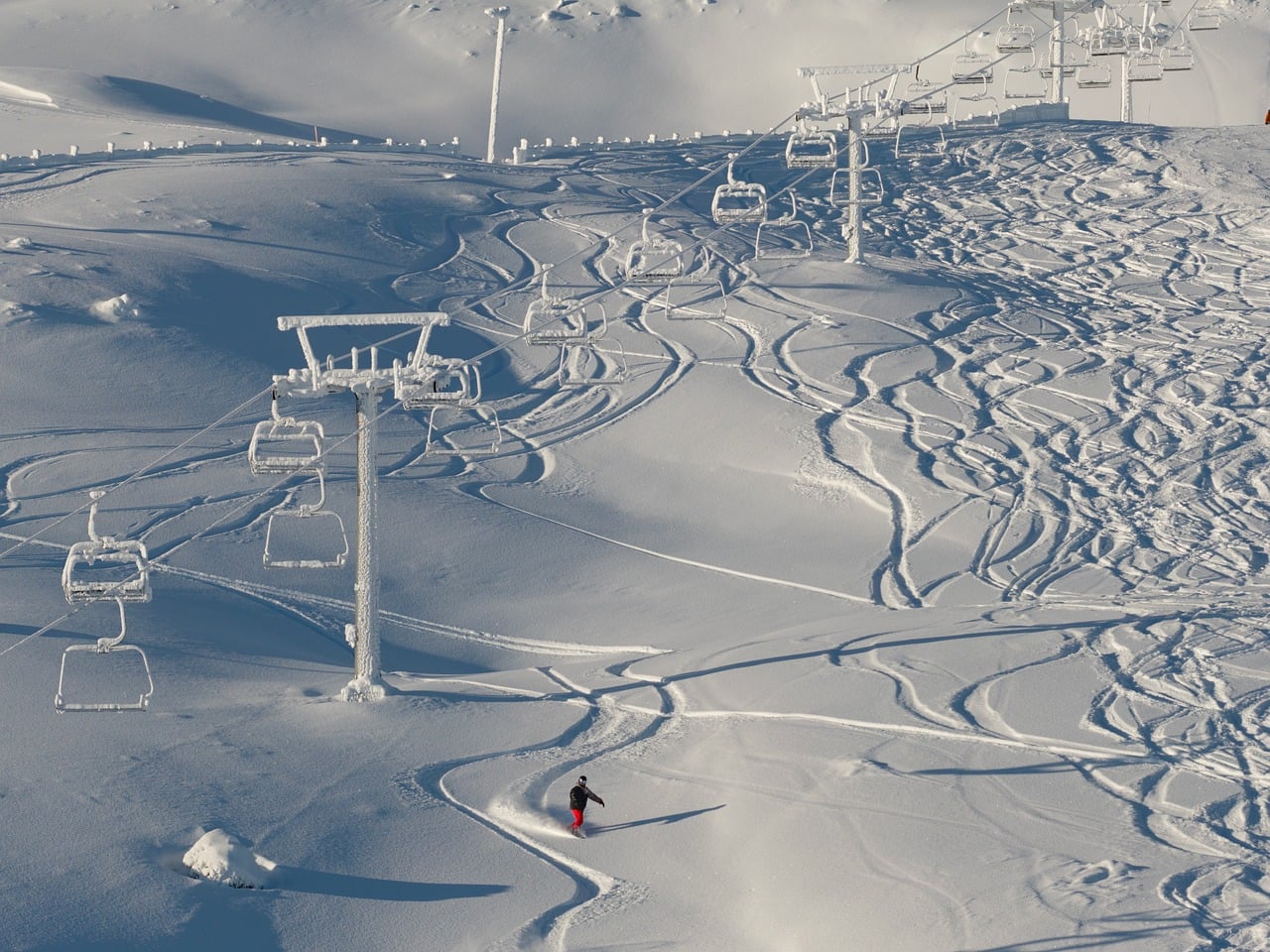
Winter adventurers can enjoy snowshoeing on the upper slopes, gentle valley hikes through frosted landscapes, and photography of snow-clad villages and peaks in the soft, clear light that the season brings. Birdwatchers and walkers find the trails empty; photographers find the contrast of dark stone and white snow irresistible. And there is the simple, restorative pleasure of warming up with hot sweet tea and hearty Kurdish food in a mountain town after a few hours in the cold.
Food and warmth
Winter is the season of slow-cooked comfort food. Look out for thick lentil and bean soups, dolma, hearty stews, and fresh bread straight from the oven, all best enjoyed beside a wood stove. Tea houses become social hubs where locals shelter from the cold, and a foreign visitor is almost always welcomed warmly into the conversation.
A different pace
Winter is the region's quiet season, which is precisely its appeal. Expect fewer visitors, lower accommodation prices, and a slower, cosier rhythm than the busy spring Newroz period or the summer escape season. This is travel for people who want landscapes, calm and authentic encounters rather than crowds and queues — a side of the region many visitors never see.
A sample winter itinerary
A relaxed three or four days might combine a night or two in Shaqlawa with day walks in the surrounding hills, a drive through the Rawanduz Gorge to see the waterfalls and snowy cliffs, and a longer excursion north toward Amadiyah for the unforgettable sight of the mesa town in snow. Keep the schedule loose so you can adapt to the forecast, and treat any blue-sky day as the one to head highest.
History & significance
Mountain winters
Winter has always shaped life in the Kurdish highlands, where heavy snow once isolated villages for months at a time and families relied on stores laid down through autumn to see them through. The rhythms of the cold season — gathering firewood, keeping livestock close, sharing news around the stove — are woven deep into highland culture. That same snow now underpins a young winter-tourism scene, as domestic travellers increasingly head to the mountains to enjoy the cold-season landscapes that their grandparents simply endured.
From necessity to leisure
Hot tea by a wood stove, hearty winter stews, and the camaraderie of a snowbound town were once a matter of survival; today they are a central part of the appeal for visitors. The growth of mountain resorts, guesthouses and improved, better-maintained roads has made winter travel far safer and more accessible than it was even a generation ago. What was once a season to wait out has become, for a growing number of people, a season to seek out.
Historic towns in winter
Places like Amadiyah carry centuries of history into the snow. The town has occupied its natural mountain platform for a very long time, guarding routes through the highlands, and seeing its old stone gateways and surrounding cliffs under snow is to glimpse how formidable and isolating these winters once were. The landscape itself tells the story of why mountain communities here developed such strong traditions of hospitality and self-reliance.
Respecting the season
Winter adventure in the Zagros still demands respect: weather can change quickly, temperatures drop sharply after dark, and high routes can become genuinely hazardous with little warning. Local knowledge and sensible planning remain essential rather than optional — and embracing that caution is part of the authentic mountain experience rather than a limitation on it. Because everything here turns on the snow, conditions and any organised events vary from year to year and are subject to change; always verify with local sources before travel.
Highlights
Visitor information
Safety first
High-country winter travel requires real caution. Check forecasts carefully, tell someone your plans and expected return time, and seriously consider a local guide for snowshoeing or any route above the towns, where snow can hide hazards and conditions change fast. Roads can close in heavy snow, daylight is short, and mobile signal is patchy in remote valleys — plan to be back before dark and never push on into deteriorating weather.
What to pack
- →Insulated, waterproof clothing in layers, plus a warm hat and gloves
- →Good winter boots with solid grip, plus spare dry socks
- →Traction aids such as microspikes for icy paths and compacted snow
- →Sun protection and sunglasses, as snow glare is intense even on overcast days
- →A flask of something hot, high-energy snacks, water and a fully charged phone with a power bank
- →A small first-aid kit and a headtorch for the early winter dusk
Getting the most from it
- →Base yourself in a comfortable mountain town and take day trips out rather than constantly relocating
- →Travel midweek for the quietest, most atmospheric experience
- →Build flexibility into your plans so you can chase the good weather and sit out the bad
- →Start outings early to make the most of limited daylight
- →Accept that some high routes and passes may simply be closed — have a lower-altitude plan B ready
Accessibility and comfort
Snow, ice and steep, uneven terrain make the high country difficult for travellers with limited mobility, but much of winter's beauty can still be enjoyed from the warmth of a car, a tea house or a town viewpoint. Heated guesthouses, scenic drives and the gentler edges of towns like Shaqlawa offer a rewarding experience without demanding strenuous walking.
How to get there
Winter adventures spread across the mountains, so most travellers base themselves in a town and explore from there rather than trying to cover everything from a single point. Erbil International Airport (EBL) is the main gateway, with good regional connections, and Duhok is the more convenient hub for the far north.
For Shaqlawa, drive around an hour from Erbil on a generally well-maintained road, making it the easiest winter base for first-time visitors. For Amadiyah, base in or near Duhok and drive up into the mountains, allowing plenty of time and watching for snow on the higher approaches. For Choman and the high Zagros, the Rawanduz/Soran corridor — about 2.5 hours from Erbil through the dramatic gorge — is the access route, and it is the most demanding to drive in deep winter.
A hired car with a capable, experienced driver is strongly recommended in winter, as mountain roads can be snowy, icy and variable, and conditions can differ greatly between the valley floor and the high passes. Public transport into the high country is limited and weather-dependent, so shared taxis between towns plus a private car or driver for the final mountain legs is the usual approach. Whatever your plan, confirm road status locally before setting out each day, carry extra warm clothing in the vehicle in case of delays, and keep your itinerary flexible enough to adapt to whatever the weather decides.
Practical information
Best hotels nearby
Shaqlawa town hotels
Shaqlawa
A popular mountain resort town an hour from Erbil, atmospheric and well served by hotels in winter.
Amadiyah-area guesthouses
Amadiyah
Small stays near the dramatic mesa-top town, magical under snow; base in or near Duhok for more choice.
Soran / Rawanduz hotels
Soran / Rawanduz
A convenient base for the high Zagros and the Rawanduz Gorge in winter.
Plan your visit
Frequently asked questions
What winter activities are there besides skiing?+
Is winter a good time to visit the Kurdistan Region?+
Is it safe to travel in the mountains in winter?+
What should I pack?+
Do these events run on fixed dates?+
Related events
All events →VisitKurdistan.com is an independent travel guide and is not affiliated with any government tourism authority. Event details are subject to change — always verify with the organiser before travel.