Nature Festivals
Wildflowers, birdlife and the ecology of the Zagros
Date
Spring 2026
Time
Daytime
Location
Zagros foothills and valleys across the region
Overview
In spring, the mountains and valleys of the Kurdistan Region of Iraq burst into colour, and nature-focused festivals and events celebrate this brief, brilliant season. They bring together wildflower walks, birdwatching, photography and a growing awareness of conservation, offering one of the most peaceful and visually stunning ways to experience the region. After the cold, grey months, the transformation is sudden and joyful: hillsides that were bare turn green almost overnight, streams swell with snowmelt, and the air fills with birdsong and the scent of blossom.
These are not large, ticketed festivals in the Western sense but a season of gentler gatherings — guided wildflower walks, family nature days, birdwatching outings, photography meet-ups and conservation-themed events organised by clubs, environmental groups and local enthusiasts. Because everything depends on the timing of the bloom, dates vary year to year and are subject to change, so verify with the organiser before travel. The reward for getting the timing right, though, is exceptional: a landscape at its most vivid, far quieter than the better-known flower destinations elsewhere, and a chance to see why the region's people feel such a deep attachment to their mountains.
A spring spectacle
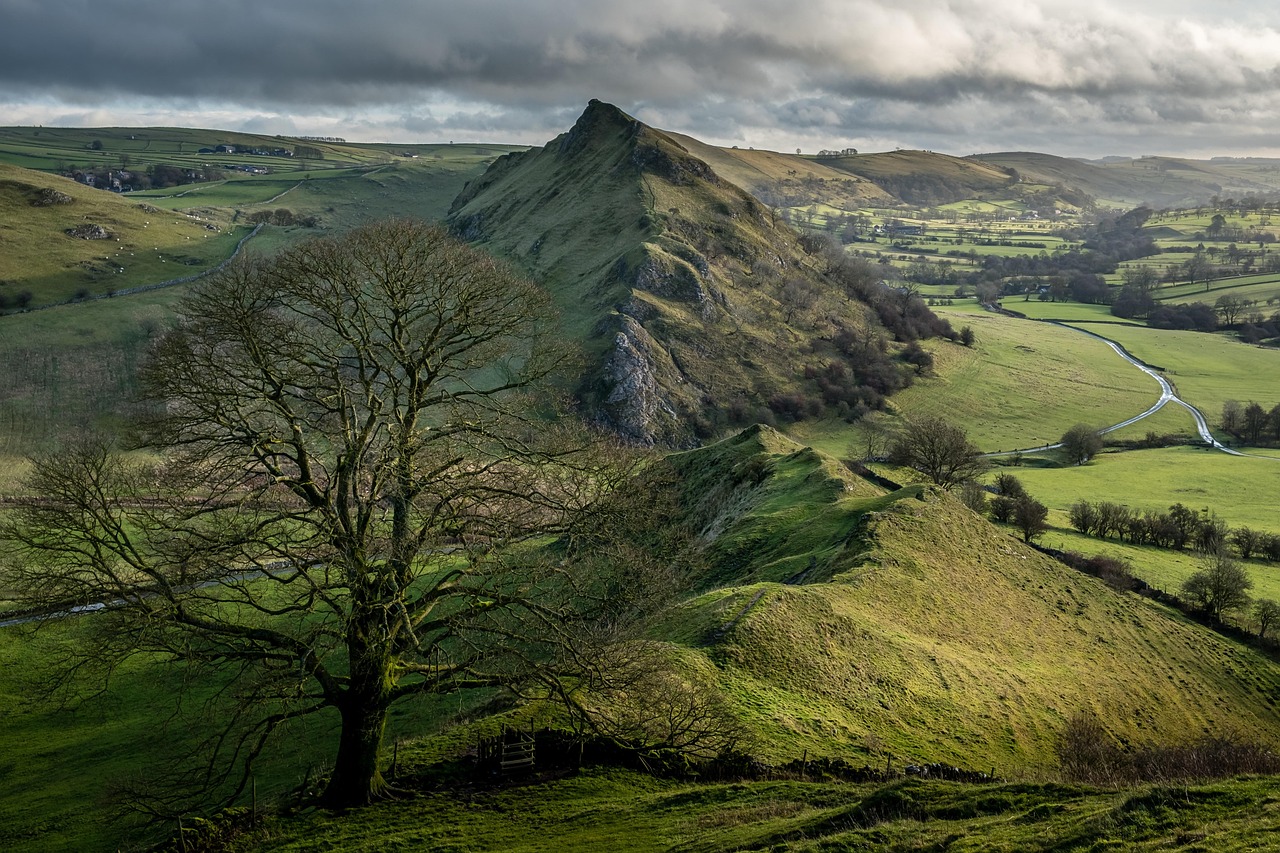
For a few weeks each spring, the Zagros foothills are carpeted with wildflowers — anemones, irises, tulips, poppies, grape hyacinths and countless others — while streams run full and waterfalls thunder with snowmelt. The bloom climbs gradually with the season, starting in the lower foothills and moving up to the high meadows around Choman and the great peaks as the snow retreats. It is one of the most beautiful natural displays anywhere in the region, and photographers in particular find it irresistible.
Wildlife and birds
The mountains support rich birdlife and a range of wildlife, making spring a rewarding time for birdwatchers and nature lovers. Migratory and resident species are active, raptors patrol the ridgelines, and the valleys hum with insects and small creatures emerging after winter. Gentle valley and foothill walks reveal the surprising diversity of the landscape, from oak woodland to riverbank to open meadow, often within a single short outing.
Conservation focus
Nature events increasingly carry a conservation message, highlighting challenges such as deforestation, overgrazing, water scarcity and habitat loss, and stressing the importance of protecting the region's mountain ecosystems. Some pair walks and talks with practical clean-ups, tree-planting or awareness activities, giving visitors a way to contribute as well as enjoy.
For visitors
These events offer a gentle, scenic and low-cost way to experience the natural side of the Kurdistan Region, ideal for families, photographers and anyone who simply loves the outdoors. A relaxed spring day might combine a morning wildflower walk in the foothills with a picnic beside a stream and an afternoon spent watching birds, finishing with tea in a nearby town — an easy, restorative contrast to city sightseeing.
History & significance
A landscape of biodiversity
The Zagros mountains are a significant centre of biodiversity, home to wild relatives of important food crops — including ancestors of wheat, barley and various fruits and nuts — as well as a wealth of plant and animal life. This is part of a broader region often described as one of the cradles of agriculture, where humans first domesticated plants thousands of years ago. Spring's wildflower bloom is the most visible and beautiful expression of this deep natural richness, but it sits atop an ecological heritage of global importance.
Growing environmental awareness
The region faces real and pressing environmental pressures — deforestation, overgrazing, water scarcity and the mounting impacts of a changing climate. In response, a grassroots conservation movement has grown over recent years, led by volunteers, students and environmental groups rather than driven from the top down. Festivals, walks and awareness events have become an important part of this movement, helping to build public understanding, encourage responsible behaviour outdoors, and foster pride in the natural heritage among a new generation.
Celebrating the wild
There is a long-standing cultural affection for the mountains in this part of the world, expressed for generations in poetry, song and the springtime tradition of heading to the countryside to picnic among the flowers. Nature festivals channel that affection into both celebration and stewardship, encouraging locals and visitors alike to value, enjoy and ultimately protect these landscapes. In this sense the events are as much about the future of the mountains as about their present beauty.
Highlights
Visitor information
Timing the bloom
The wildflower season is short — often only a few weeks in any given spot — and shifts with the weather and altitude, typically peaking somewhere in spring. The bloom begins low and rises into the high country as the snow melts, so if you miss it in the foothills you may still catch it higher up. Ask locally and check with organisers for the best current spots, as conditions change quickly and the prime areas can move week to week.
What to bring
- →Comfortable, supportive walking shoes for uneven foothill trails
- →Binoculars for birdwatching and a camera with a zoom or macro lens for flowers
- →Layers, as spring weather can swing from warm sun to cold wind and rain
- →Water, snacks, sun protection and a small first-aid kit
- →A field guide or plant-identification app if you enjoy naming what you see
Responsible enjoyment
- →Tread carefully and stick to paths to protect delicate meadows
- →Never pick wildflowers or dig up bulbs — leave them for others and for next year
- →Carry out all litter and keep noise down to avoid disturbing wildlife
- →Keep a respectful distance from grazing animals and the communities that tend them
Accessibility and families
Most nature events are gentle and well suited to families, with easy foothill walks and unhurried activities that children enjoy. They are among the most accessible outdoor experiences in the region, though rough ground and the lack of formal facilities mean those with significant mobility needs should ask in advance about terrain and choose easier, flatter sites.
How to get there
Nature events take place across the foothills and valleys, with Sulaymaniyah and Erbil as the main bases, both served by international airports and well supplied with hire cars and drivers.
From either city, the surrounding hills and valleys are reachable within an hour or two by car, and many of the best spring walking areas lie just beyond the city edges. A hired car with a driver makes it easy to reach trailheads, meadows and viewpoints that public transport does not serve, and to chase the bloom uphill as the season progresses. Higher areas famed for spring meadows, such as Choman, are farther out along the Rawanduz/Soran corridor and pair well with a longer mountain trip. Always confirm event locations and the state of the bloom locally before setting off, as the best spots change week to week in spring and dates are subject to change — verify with the organiser before travel.
Practical information
Best hotels nearby
Sulaymaniyah hotels
Sulaymaniyah
A green, scenic base with easy access to the eastern foothills and valleys.
Erbil city hotels
Erbil
Convenient for day trips to surrounding hills and wildflower areas in spring.
Shaqlawa-area stays
Shaqlawa
A mountain base surrounded by spring greenery and walking country.
Plan your visit
Frequently asked questions
When do the wildflowers bloom?+
What can I see at a nature festival?+
Are nature events suitable for families?+
Where are the best areas?+
Do these events run on fixed dates?+
Related events
All events →Hiking Festivals
Hiking groups and seasonal festivals across the Kurdistan Region run treks for all abilities — from gentle valley walks to the summit of Halgurd, Iraq's highest peak at 3,607 metres.
Spring & Autumn 2026
Zagros mountains across Erbil, Sulaymaniyah and Duhok Governorates
Camping Events
Camping is a beloved pastime in the Kurdistan Region, and seasonal events and group outings make it easy to spend nights under the stars in beautiful valley and mountain settings.
Spring & Summer 2026
Mountain valleys and highlands across the region
Mountain Events
When the plains heat up, the Kurdistan Region's mountain towns come alive with summer gatherings, festivals and resort entertainment in cool, scenic highland settings.
Summer 2026
Shaqlawa, Rawanduz, Amadiyah and the mountain resorts
VisitKurdistan.com is an independent travel guide and is not affiliated with any government tourism authority. Event details are subject to change — always verify with the organiser before travel.