Shanidar Cave
One of the world's most important prehistoric sites, hidden high in the mountains of the Kurdistan Region of Iraq — where the discovery of Neanderthal remains changed how we understand our ancient relatives.
Location
Bradost mountains, near Soran, Erbil Governorate
Famous for
Neanderthal remains & deep prehistory
Setting
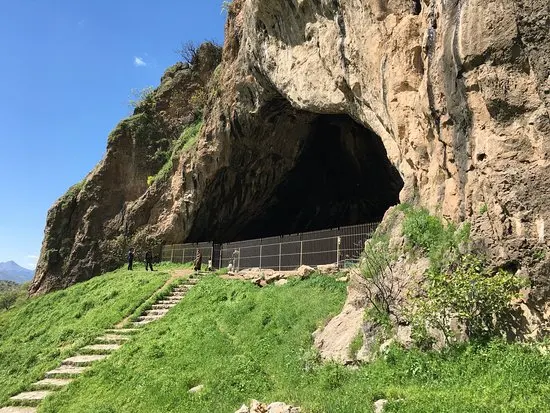
A vast natural cave high above a river valley
Best time
Spring and autumn
Good for
History buffs, archaeology fans, adventurous travellers
Combine with
Rawanduz, Gali Ali Beg & Bekhal waterfalls
An overview of Shanidar Cave
Shanidar Cave is a vast natural cavern set into the flank of the Bradost mountains in the north-east of the Kurdistan Region of Iraq, not far from the town of Soran and the dramatic gorges around Rawanduz. Its wide, arching mouth opens onto sweeping views of the surrounding valley, and people have sheltered here for tens of thousands of years. For most of that time it was simply a refuge from the seasons; today it is celebrated as one of the most significant archaeological sites in the world.
What makes Shanidar extraordinary is what archaeologists found beneath its floor. The cave preserved the remains of both Neanderthals and much later humans, layered through deep deposits of soil and ash that record an immense span of time. Visiting it is less about polished displays and more about standing in a place of genuine global importance, in a remote and beautiful mountain setting that rewards travellers willing to make the journey.
The Neanderthals of Shanidar
Shanidar entered the history books through excavations led in the 1950s and 1960s by the American archaeologist Ralph Solecki and his team. Working through the cave's deep layers, they uncovered the remains of around ten Neanderthal men, women and children who had lived and died here many tens of thousands of years ago. It remains one of the richest collections of Neanderthal individuals ever found at a single site.
Several of the discoveries have become famous in their own right. One adult male, known in the literature as Shanidar 1, had survived serious injuries — including damage to one side of his body that would have left him partially disabled — yet had lived on for years afterwards. To many researchers this suggested that his community had cared for him, a finding that helped reshape the popular image of Neanderthals from brutish loners into social beings capable of compassion.
The "flower burial" debate
Perhaps the most talked-about discovery at Shanidar is the so-called flower burial. Near one of the buried individuals, the excavators found unusual concentrations of ancient pollen, which they interpreted as evidence that flowers had been deliberately placed with the body — a poignant hint at Neanderthal ritual and grief.
It is a beautiful idea, but it is not settled science. Later researchers have argued that the pollen could have been carried into the cave by burrowing animals or insects rather than by mourners, and the debate continues to this day. More recent excavations at the cave have uncovered further remains and are adding new detail to the picture, ensuring that Shanidar remains an active and evolving area of research rather than a closed chapter.
Visiting Shanidar Cave today
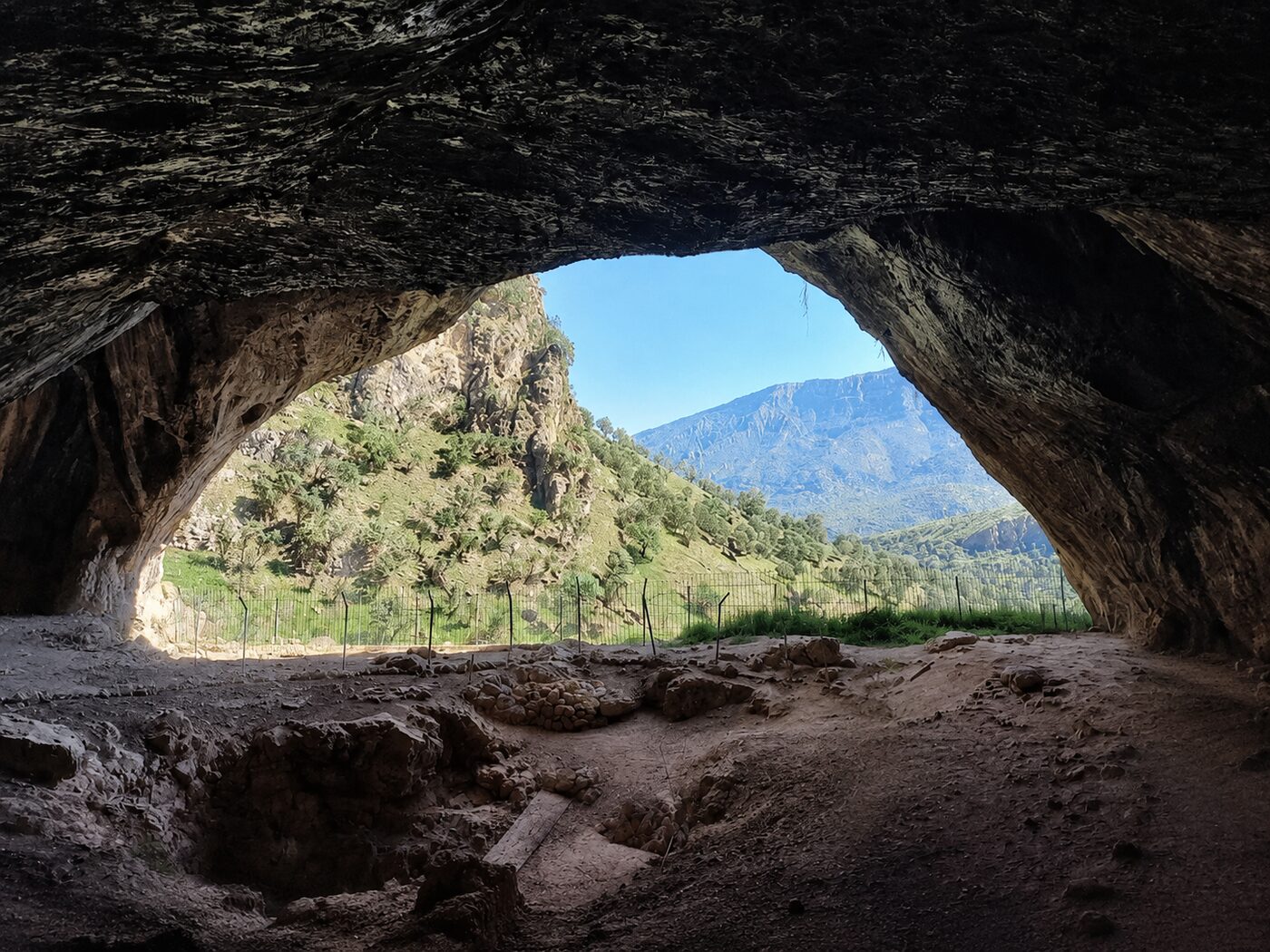
A visit to Shanidar is about atmosphere and significance rather than museum-style exhibits. The reward is the cave itself: an enormous, cool chamber whose mouth frames the mountains and the river valley below. Standing inside, with daylight filtering across the rock and the silence broken only by the wind, it is easy to feel the immense depth of time the place represents.
The site is remote and facilities are minimal, so come prepared. Wear sturdy shoes for the uneven ground and short uphill approach, bring water and sun protection, and treat the cave with the respect a major heritage site deserves — do not remove anything or disturb the ground. Opening arrangements, any entry requirements and the condition of the access road can change with the seasons, so always verify the current situation locally before you set out.
How to get there
Shanidar Cave lies in the mountains beyond Soran, north-east of Erbil. Most travellers drive from Erbil toward Soran — roughly a two-to-three-hour journey depending on stops and conditions — and then follow a mountain road before a short walk up to the cave. Because the route is winding and signage is limited, the easiest approach is to hire a local driver or join a guide who knows the area.
The cave pairs naturally with the great scenery of the north. Many visitors combine it with the Rawanduz gorge and the nearby waterfalls for a full day that mixes deep history with dramatic landscapes. Distances, drive times, road conditions and the availability of guides all vary through the year, so use these notes as a starting point and confirm details before travelling.
Frequently asked questions
Where is Shanidar Cave?+
Why is Shanidar Cave famous?+
Can you visit Shanidar Cave?+
How do you get to Shanidar Cave?+
What was the Shanidar 'flower burial'?+
Keep exploring
Continue with our things to do in Kurdistan, best places to visit, mountains and nature, culture and history and Rawanduz guides, or plan your trip.
VisitKurdistan.com is an independent travel guide and is not affiliated with any government tourism board or official tourism authority. Archaeological interpretations are summarised for general readers and remain subject to ongoing research; always check current access and conditions locally before you travel.